Author: Proctology-Blogs

  • हर्निया सर्जरी: कब और क्यों आवश्यक हो सकती है?

    हर्निया सर्जरी: कब और क्यों आवश्यक हो सकती है?

    हर्निया एक सामान्य चिकित्सा स्थिति है, जिसमें शरीर के आंतरिक अंग, जैसे आंत या वसा, त्वचा के नीचे से बाहर निकल आते हैं। हर्निया पेट, नाभि या आंतरिक अंगों के आसपास हो सकता है। यह समस्या किसी भी व्यक्ति को हो सकती है, लेकिन कभी-कभी यह स्थिति गंभीर हो सकती है, जिसके लिए हर्निया सर्जरी की आवश्यकता होती है। हर्निया के विभिन्न प्रकार होते हैं, जैसे inguinal hernia (इंग्विनल हर्निया), umbilical hernia (नाभि हर्निया), और incisional hernia (सर्जिकल घाव से हर्निया)

    हर्निया सर्जरी की आवश्यकता कब होती है?

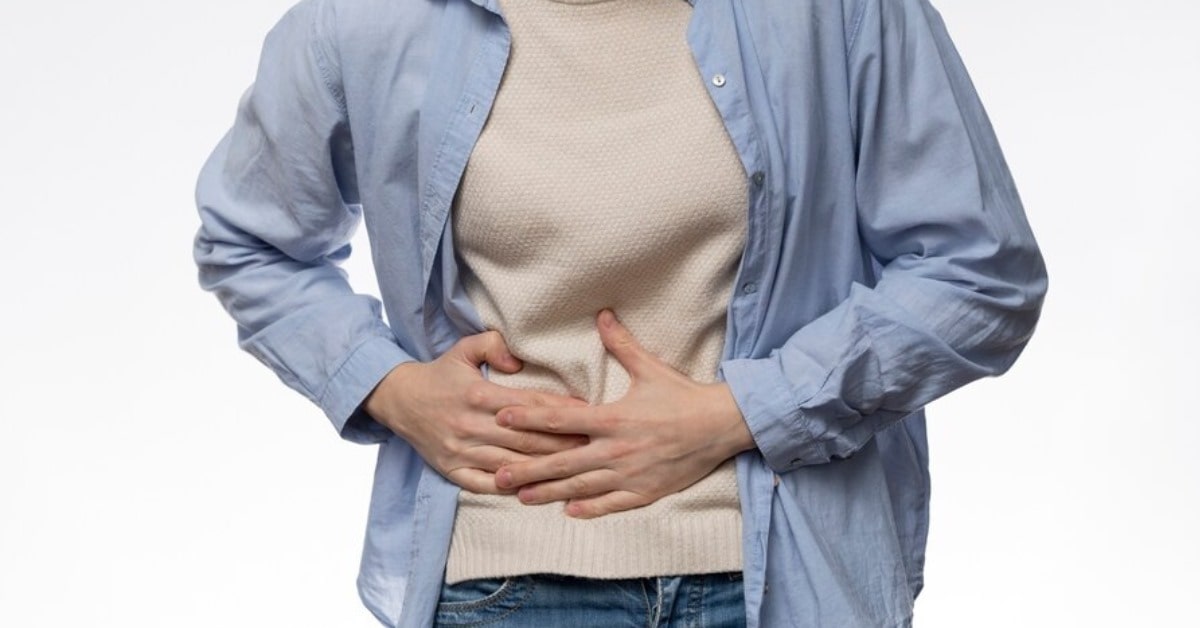
    1. दर्द और असुविधा: हर्निया के कारण व्यक्ति को लगातार दर्द और असुविधा हो सकती है, जो उनके दैनिक कार्यों में बाधा डालती है। यदि यह दर्द बढ़ता है और जीवन की गुणवत्ता पर असर डालता है, तो सर्जरी जरूरी हो सकती है।
    2. आंतों में रक्त प्रवाह रुकना: अगर हर्निया के कारण आंतों या अन्य अंगों में रक्त प्रवाह रुक जाता है, तो इसे strangulation कहते हैं। यह एक गंभीर स्थिति है, जिससे आंतों में रुकावट आ सकती है और अंगों को नुकसान पहुँच सकता है। ऐसे मामलों में तत्काल सर्जरी की जरूरत होती है।
    3. हर्निया का बढ़ना: समय के साथ हर्निया का आकार बढ़ सकता है, जिससे दर्द और सूजन की समस्या बढ़ जाती है। अगर हर्निया बड़ा हो जाए तो सर्जरी आवश्यक हो सकती है, ताकि इससे जुड़ी समस्याओं से बचा जा सके।
    4. दवाओं से राहत न मिलना: यदि हर्निया के लक्षण दवाओं से ठीक नहीं हो रहे हैं और समस्या बढ़ती जा रही है, तो सर्जरी के अलावा कोई विकल्प नहीं रहता।

    हर्निया सर्जरी का महत्व

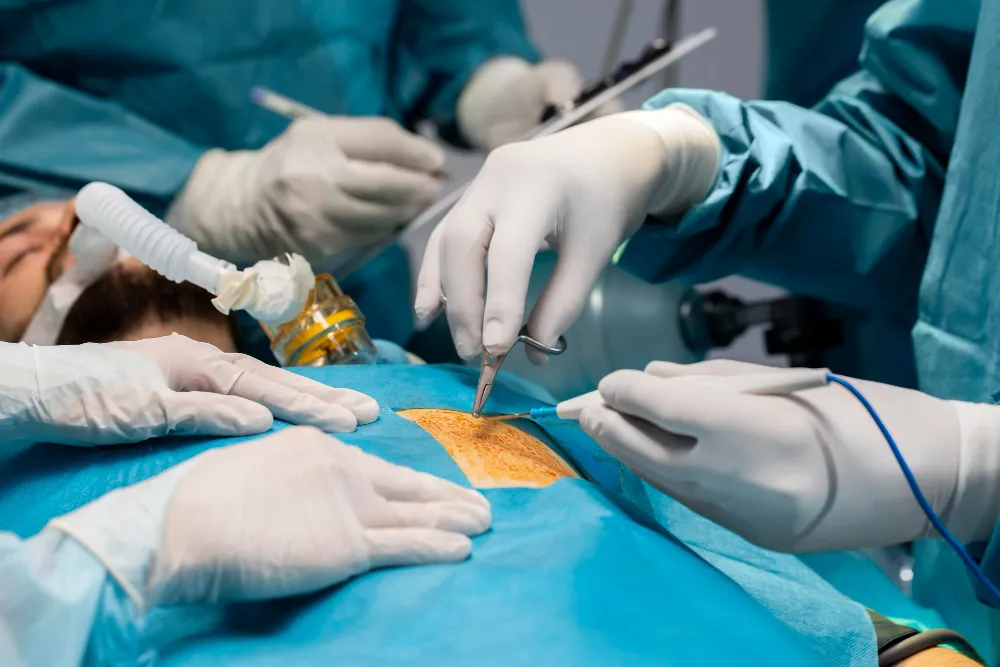
    हर्निया सर्जरी एक प्रभावी उपचार है, जो हर्निया से संबंधित समस्याओं को स्थायी रूप से हल करने में मदद करता है। यह प्रक्रिया सरल होती है, जिसमें हर्निया के स्थान को ठीक किया जाता है और शरीर को सामान्य स्थिति में लाया जाता है।

    हर्निया सर्जरी के बाद मरीज जल्दी ठीक हो जाते हैं और सामान्य जीवन जीने में सक्षम होते हैं। यह सर्जरी बिना किसी जटिलता के सफल होती है, और मरीज को जल्दी राहत मिलती है।

    अगर आप हर्निया के लक्षणों से परेशान हैं, तो हर्निया विशेषज्ञ डॉक्टर इंदौर (Hernia Specialist Doctor in Indore) से परामर्श लें। वह आपको सही समय पर इलाज और सर्जरी के लिए मार्गदर्शन देंगे।

    समय रहते हर्निया का इलाज करवाना गंभीर समस्याओं से बचने में मदद करता है, और आप एक स्वस्थ जीवन जी सकते हैं।


  • What Is Hydrocephalus and How Is It Treated?

    What Is Hydrocephalus and How Is It Treated?

    Hydrocephalus is a condition where cerebrospinal fluid (CSF) builds up in the brain’s ventricles, creating increased pressure within the skull that can damage brain tissue. Though hydrocephalus can affect individuals of all ages, it is most frequently diagnosed in infants and older adults. Recognizing the causes, symptoms, and treatment options for hydrocephalus is essential for early intervention and management. For those seeking specialized care, Hydrocephalus treatment in Indore offers effective options to address and manage this condition.

    What Causes Hydrocephalus?

    Hydrocephalus can result from several factors, including:

    • Congenital defects (present at birth).
    • Infections like meningitis.
    • Brain injuries or tumors.
    • Blockages that prevent proper drainage of CSF.

    Common Symptoms

    The symptoms of hydrocephalus vary based on age:

    • Infants: Enlarged head, vomiting, poor feeding, irritability, or developmental delays.
    • Adults: Headaches, difficulty walking, memory problems, or vision disturbances.
    • Older Adults: Urinary incontinence, dementia-like symptoms, and difficulty in balancing.

    How Is Hydrocephalus Diagnosed?

    Doctors use imaging tests such as MRI, CT scans, or ultrasounds to diagnose hydrocephalus. These tests help identify the excess fluid and its cause.

    Treatment Options

    Hydrocephalus treatment focuses on relieving pressure on the brain by restoring the normal flow of CSF. The most common approaches include:

    1. Shunt System: A thin tube is inserted into the brain to drain excess fluid into another part of the body, such as the abdomen, where it is absorbed.
    2. Endoscopic Third Ventriculostomy (ETV): This procedure creates an opening in the ventricles to allow fluid to bypass the blockage and drain naturally.
    3. Medications: In some cases, medications may be prescribed to manage symptoms or prevent infections.

    For those seeking effective and advanced care, Hydrocephalus treatment in Indore provides modern facilities and skilled surgeon. Prompt intervention and appropriate treatment can greatly improve patients’ quality of life and help them lead healthier lives.

    Hydrocephalus is a manageable condition with early diagnosis and appropriate care. If you or a loved one exhibits symptoms, consult a specialist promptly.

  • Signs You Might Have an Umbilical Hernia

    Signs You Might Have an Umbilical Hernia

    An umbilical hernia happens when part of the intestine or fatty tissue bulges through the abdominal wall near the belly button. While it is most common in infants, adults can also develop this condition. Early recognition of the signs of an umbilical hernia is essential for prompt medical attention. If you notice any symptoms, it’s important to consult a doctor. Seeking umbilical hernia surgery in Indore at the right time can prevent complications and ensure effective treatment. Below are some common signs that you might have an umbilical hernia.

    1. Visible Lump Near the Belly Button

    • The most obvious sign of an umbilical hernia is a small, visible lump or bulge near the belly button. This lump may appear when you cough, laugh, or strain, and it might reduce or disappear when you relax or lie down.

    2. Pain or Tenderness

    • While an umbilical hernia is often painless, some individuals may experience discomfort, pain, or tenderness around the belly button, especially when lifting heavy objects, bending over, or engaging in physical activities.

    3. Swelling or Enlarged Bulge

    • In some cases, the bulge might become more pronounced over time, especially with physical strain or excessive abdominal pressure. This is a sign that the hernia could be worsening and might need attention.

    4. Constipation or Digestive Issues

    • Occasionally, if part of the intestine is trapped in the hernia sac, it can cause digestive problems such as constipation or bloating. In rare cases, the hernia might cause more severe symptoms, including nausea or vomiting.

    5. Increased Pain and Inability to Push the Bulge Back

    • If the hernia becomes incarcerated or strangulated (where the blood supply to the tissue is cut off), the pain becomes severe, and the bulge may become firm and cannot be pushed back. This situation requires immediate medical intervention.

    When to Seek Medical Help

    If you notice any of these signs, it’s essential to consult a healthcare professional. While many umbilical hernias are harmless, some may require surgery. Umbilical hernia surgery in Indore is a straightforward procedure performed by experienced surgeons to repair the hernia and prevent complications. Surgery is typically recommended when the hernia causes discomfort or if it is at risk of becoming strangulated.

    Early detection and prompt treatment can help avoid complications and ensure a quicker recovery. If you suspect you have an umbilical hernia, reach out to your healthcare provider to discuss your options.

  • हर्निया के लक्षण पहचानें और समय पर इलाज करवाएं

    हर्निया के लक्षण पहचानें और समय पर इलाज करवाएं

    हर्निया एक ऐसी स्थिति है जिसमें अंग या ऊतक शरीर की मांसपेशियों या ऊतक की दीवार के माध्यम से बाहर निकल जाते हैं। यह अक्सर पेट के क्षेत्र में होता है, लेकिन यह शरीर के अन्य हिस्सों में भी हो सकता है। हर्निया की पहचान करना और समय पर इलाज करवाना बेहद जरूरी है, क्योंकि अगर इसे अनदेखा किया जाए तो इससे गंभीर स्वास्थ्य समस्याएं हो सकती हैं।

    हर्निया के सामान्य लक्षण

    1. दर्द और असुविधा: हर्निया के सबसे आम लक्षणों में दर्द और असुविधा शामिल हैं, खासकर उस क्षेत्र में जहां हर्निया हो रहा है। यह दर्द हल्का से लेकर तीव्र तक हो सकता है, और शारीरिक गतिविधि जैसे उठना, बैठना या भारी चीज़ें उठाने से बढ़ सकता है।
    2. सूजन या गांठ: हर्निया की जगह पर सूजन या एक गांठ दिख सकती है। यह आमतौर पर पेट के निचले हिस्से, कमर, या जांघों में दिखाई देती है। इस गांठ को दबाने पर यह अक्सर नर्म महसूस होती है।
    3. मतली और उल्टी: यदि हर्निया गंभीर रूप से बढ़ गया है, तो यह आंतों को अवरुद्ध कर सकता है, जिसके परिणामस्वरूप मतली और उल्टी हो सकती है। यदि ये लक्षण होते हैं, तो तत्काल चिकित्सा ध्यान देने की आवश्यकता होती है।
    4. पेट में ऐंठन: पेट के क्षेत्र में लगातार ऐंठन और गैस की समस्या भी हर्निया के संकेत हो सकती है।

    समय पर इलाज क्यों जरूरी है?

    यदि हर्निया के लक्षणों को अनदेखा किया जाए तो इससे आंतों में रुकावट, रक्तस्राव या अन्य जटिलताएं हो सकती हैं। इसके इलाज में सर्जरी का विकल्प सबसे प्रभावी होता है, जिसमें हर्निया को वापस अंदर डाला जाता है और मांसपेशियों की दीवार को मजबूत किया जाता है।

    इंदौर में हर्निया की सर्जरी

    यदि आप हर्निया के लक्षण महसूस कर रहे हैं, तो जल्द से जल्द विशेषज्ञ से सलाह लें। इंदौर में हर्निया की सर्जरी (Hernia Surgery in Indore) अत्याधुनिक तकनीकों और अनुभवपूर्ण डॉक्टरों द्वारा की जाती है। इस सर्जरी से आप जल्द ही राहत पा सकते हैं और अपने सामान्य जीवन में वापस लौट सकते हैं।

    समय पर इलाज से न केवल आप हर्निया के दर्द से छुटकारा पा सकते हैं, बल्कि जटिलताओं से भी बच सकते हैं। इसलिए, यदि आपको हर्निया के लक्षण दिखें, तो तुरंत चिकित्सक से संपर्क करें।

  • Understanding the Different Stages of Piles

    Understanding the Different Stages of Piles

    Piles, also known as hemorrhoids, affect a large portion of the population, causing discomfort and pain during everyday activities. If you’re experiencing symptoms like itching, pain, or bleeding, it’s important to understand the stages of piles and seek timely medical help. Consulting an experienced piles doctor in Indore can provide you with the right diagnosis and treatment plan.

    What Are the Stages of Piles?

    Piles progress in stages, each requiring different treatment approaches.

    Stage 1: Internal Piles

    In this stage, the hemorrhoids are located inside the rectum and usually cause mild discomfort. You may experience slight bleeding after bowel movements. Treatment at this stage typically involves dietary changes and medication to reduce swelling and improve bowel movements.

    Stage 2: Prolapsed Piles

    In this stage, the piles may prolapse outside the anus during straining but usually retract naturally. If you’re facing these symptoms, visiting a piles specialist can help manage the condition before it worsens.

    Stage 3: Prolapsed Hemorrhoids Needing Manual Intervention

    Piles remain prolapsed after bowel movements and require manual intervention to push them back inside. This stage can be painful, and conservative treatments may not be effective. A piles doctor may recommend minimally invasive procedures like rubber band ligation or sclerotherapy.

    Stage 4: External and Permanent Prolapse

    In the most severe stage, piles remain permanently prolapsed and can cause intense pain and continuous bleeding. Surgery is often the only solution at this stage, and consulting a piles specialist is crucial for fast and effective relief.

    When to Consult a Piles Doctor in Indore

    It’s essential to seek medical advice when you experience symptoms such as persistent itching, bleeding, or painful bowel movements. If you notice that the piles are protruding, whether temporarily or permanently, it’s time to consult a piles doctor in Indore. Early diagnosis and treatment can prevent the condition from worsening and reduce the need for invasive procedures. Additionally, a specialist can guide you on lifestyle changes, medications, or surgical options based on your specific stage, ensuring optimal care.

  • How to Identify Hydrocele: Early Signs and Symptoms

    How to Identify Hydrocele: Early Signs and Symptoms

    A hydrocele is a medical condition in which fluid builds up around the testicle, causing swelling in the scrotum. It is generally painless, but the swelling can cause discomfort and affect daily activities. Hydroceles are more common in newborns, but they can also develop in adult men. Early detection is key to preventing complications, and understanding the signs can help you take the right steps toward treatment. If you’re concerned about hydrocele, it’s important to seek professional advice for proper hydrocele treatment in Indore.

    What Is a Hydrocele?

    A hydrocele occurs when fluid accumulates in the sac around the testicle, often due to injury, infection, or developmental issues. While hydroceles are usually not harmful, they can be uncomfortable and sometimes indicate underlying health problems, such as infections or tumors.

    Early Signs and Symptoms of Hydrocele

    1. Swelling in the Scrotum

    The most noticeable sign of a hydrocele is a painless swelling in the scrotum. The swelling may increase throughout the day and is often more prominent after standing or physical activity. While it might not cause pain, the swelling can become uncomfortable over time.

    2. Heaviness in the Scrotum

    Men with hydroceles often report a feeling of heaviness or dragging in the scrotum. This sensation may be subtle at first but can worsen if the hydrocele enlarges.

    3. Discomfort During Activities

    While hydroceles are generally painless, discomfort may occur during physical activities or prolonged standing. As the swelling increases, everyday activities like walking or sitting may become more challenging.

    4. Visible Enlargement

    A hydrocele can cause one side of the scrotum to appear larger than the other. In some cases, the swelling may be significant enough to be visible, causing concern.

    When to Seek Medical Attention 

    If you notice any of these symptoms, it’s important to consult a specialist for hydrocele treatment in Indore. While hydroceles are often harmless, a proper evaluation is necessary to rule out other conditions, such as testicular infections or tumors. Treatment may involve observation, aspiration of fluid, or surgery depending on the severity of the condition. Recognizing the early signs of a hydrocele is essential for proper diagnosis and treatment. If you experience swelling, discomfort, or heaviness in the scrotum, don’t hesitate to seek expert advice for hydrocele treatment.

  • Daily Habits That Can Help Ease Piles Pain

    Daily Habits That Can Help Ease Piles Pain

    Piles, also known as hemorrhoids, can cause significant discomfort, including pain, itching, and swelling. While medical treatment may be necessary in some cases, certain daily habits can help ease the pain and prevent flare-ups. Here are a few lifestyle changes that can make a big difference.

    1. Stay Hydrated

    Drinking enough water is one of the simplest ways to prevent constipation, a common trigger for piles. Staying hydrated keeps your stool soft, making bowel movements easier and reducing the strain on the rectal area. Aim to drink at least 8-10 glasses of water daily.

    2. Increase Fiber Intake

    A high-fiber diet is essential for maintaining digestive health and preventing constipation, which can aggravate piles. Incorporate fiber-rich foods such as whole grains, fruits, vegetables, beans, and lentils into your daily meals. Fiber helps soften stool, reducing the need to strain during bowel movements and easing piles-related pain.

    3. Exercise Regularly

    Regular physical activity improves circulation and aids digestion, preventing constipation. Even light activities like walking, swimming, or yoga can help maintain healthy bowel movements. However, avoid heavy lifting or strenuous exercises, as they can worsen piles.

    4. Practice Good Toilet Habits

    Avoid sitting on the toilet for prolonged periods, as this can put unnecessary pressure on the rectal area. If you experience constipation, resist the urge to strain. You can also use a footstool to elevate your legs slightly while sitting, which may help ease bowel movements.

    5. Use Sitz Baths

    Soaking in a warm sitz bath for 10-15 minutes several times a day can help reduce swelling and discomfort. This simple practice provides immediate relief by soothing the irritated tissues around the rectal area.

    6. Consult a Doctor

    If your piles pain persists despite lifestyle changes, it’s important to seek medical advice. A piles doctor in Indore can assess your condition and recommend suitable treatments, such as medications or minor procedures, to alleviate symptoms.

    Incorporating these daily habits can ease piles pain and improve your overall quality of life. However, timely medical consultation is essential for long-term relief.

  • When Should You See a Doctor About a Hernia?

    When Should You See a Doctor About a Hernia?

    A hernia occurs when an organ or tissue pushes through a weak spot in the surrounding muscle or connective tissue. While some hernias may initially seem minor, they can worsen over time and lead to serious complications if left untreated. Knowing when to seek medical help is crucial for preventing long-term issues.

    1. Persistent Pain or Discomfort

    If you’re experiencing ongoing pain, discomfort, or pressure in the affected area, it’s time to see a doctor. While some hernias may not cause immediate pain, they can still pose a risk. A hernia doctor in Indore can evaluate your condition and recommend treatment options before the hernia becomes more problematic.

    2. Swelling or Bulging

    One of the most noticeable signs of a hernia is a visible lump or bulge in the affected area, such as the abdomen or groin. If the bulge becomes larger, more painful, or does not go away when you lie down, it’s important to consult a doctor immediately. An untreated hernia can increase in size and severity over time, leading to complications.

    3. Difficulty with Daily Activities

    If your hernia starts to interfere with everyday tasks like lifting objects, walking, or even sitting comfortably, it’s a sign that you need medical attention. A hernia that restricts your ability to carry out daily activities could be at risk of becoming strangulated, which is a serious condition requiring immediate surgery.

    4. Symptoms of Strangulation

    A strangulated hernia occurs when the blood supply to the tissue trapped in the hernia is cut off. This is a medical emergency. Symptoms include intense pain, nausea, vomiting, fever, and a dark or discolored bulge. If you notice these signs, seek emergency care right away.

    5. Recurring Hernias

    If you’ve had hernias in the past, there’s a higher chance of recurrence. A hernia doctor in Indore can help assess your risk and suggest preventive measures or timely surgery to avoid further complications.

    Seeing a doctor early ensures you get the right treatment to prevent the hernia from worsening.

  • Top 5 Signs You Might Have Piles

    Top 5 Signs You Might Have Piles

    Piles, also known as hemorrhoids, are swollen veins in the lower rectum and anus. They can cause discomfort and sometimes lead to more serious health issues if not treated promptly. Recognizing the signs early can help you seek appropriate treatment. Here are the top five signs you might have piles and why it’s essential to consider piles treatment in Indore if you experience any of these symptoms.

    1. Rectal Bleeding

    One of the most common signs of piles is rectal bleeding. You might notice bright red blood on the toilet paper after wiping, in the toilet bowl, or on your stool. This bleeding is usually painless and is often the first indication that something is wrong. While occasional minor bleeding may not be alarming, consistent or heavy bleeding warrants immediate medical attention to rule out more serious conditions and to discuss appropriate piles treatment options.

    2. Itching and Irritation

    Persistent itching around the anus is another common symptom of piles. This itching is often caused by the inflamed veins that irritate the surrounding skin. The area may also become sensitive to touch, causing further discomfort. Irritation can worsen with prolonged sitting or during bowel movements, making daily activities uncomfortable. If you’re experiencing chronic itching, it’s a good idea to consult a specialist in piles treatment in Indore.

    3. Pain or Discomfort

    Piles can cause pain or discomfort, particularly during bowel movements or when sitting for long periods. External piles, which are located under the skin around the anus, can be particularly painful. This pain can range from mild discomfort to severe, sharp pain, especially if a blood clot forms within the hemorrhoid, leading to a condition known as thrombosed piles. Seeking early treatment can help alleviate this pain and prevent complications.

    4. Swelling or Lumps Around the Anus

    Swelling or the presence of lumps around the anus is a telltale sign of piles. These lumps are usually soft and may be tender to the touch. In some cases, you may feel a lump outside the anus that can be pushed back in gently. However, if the lump is painful, hard, or unable to be pushed back, you should seek medical advice as soon as possible. A healthcare professional can assess the situation and recommend appropriate treatment.

    5. Mucous Discharge

    A mucous discharge, especially during or after a bowel movement, can indicate the presence of piles. This discharge can cause irritation and discomfort, making the anal area feel moist. In some cases, this mucous can stain underwear, leading to additional discomfort and hygiene concerns.

    Piles can significantly affect your quality of life if left untreated. If you experience any of these symptoms—rectal bleeding, itching, pain, swelling, or mucous discharge—it’s crucial to seek professional help. Early diagnosis and piles treatment in Indore can provide relief and prevent further complications. Don’t ignore the signs; take action to maintain your health and comfort.

  • Can Diet Help with Hernia Pain? Foods to Consider

    Can Diet Help with Hernia Pain? Foods to Consider

    Hernias occur when an internal organ or tissue protrudes through a weak spot in the abdominal wall. Common types include inguinal, hiatal, and umbilical hernias. While surgery is often required for definitive treatment, managing hernia pain and discomfort through diet can complement medical care. Here’s how dietary choices can influence hernia pain and the foods to consider, especially when seeking hernia treatment in Indore.

    1. Fiber-Rich Foods

    A diet high in fiber can help prevent constipation, which is crucial for those with hernias. Constipation can increase intra-abdominal pressure, exacerbating hernia symptoms. Foods such as whole grains, fruits, vegetables, and legumes are excellent sources of fiber. For example, oats, apples, and beans can aid in maintaining regular bowel movements and reducing strain during defecation.

    2. Lean Proteins

    Incorporating lean proteins can aid in maintaining muscle mass and supporting the repair of tissues. Opt for skinless poultry, fish, tofu, and legumes. These protein sources are less likely to contribute to weight gain, which can otherwise put additional pressure on the hernia and worsen symptoms.

    3. Healthy Fats

    Healthy fats, found in foods like avocados, nuts, and olive oil, can help reduce inflammation and support overall health. Avoid trans fats and excessive saturated fats, which can lead to weight gain and increase abdominal pressure. Including sources of omega-3 fatty acids, such as fatty fish or flaxseeds, can be beneficial for reducing inflammation.

    4. Avoiding Irritants

    Certain foods and beverages can exacerbate hernia symptoms, particularly if you have a hiatal hernia. Spicy foods, caffeine, and alcohol can irritate the esophagus and worsen acid reflux, leading to increased discomfort. It’s advisable to limit these irritants and choose milder, non-acidic foods to ease symptoms.

    5. Hydration

    Staying well-hydrated is essential for overall health and can aid in preventing constipation. Drinking adequate water throughout the day helps maintain digestive health and can prevent the strain that exacerbates hernia pain. Aim for at least 8 cups of water daily, and adjust based on individual needs and activity levels.

    6. Smaller, Frequent Meals

    Eating smaller, more frequent meals rather than large ones can help reduce abdominal pressure and discomfort. This approach is particularly helpful for individuals with hiatal hernias, as it can minimize acid reflux and associated pain. Focus on balanced meals that include a mix of lean proteins, fiber, and healthy fats.

    While diet alone cannot cure a hernia, it can play a significant role in managing pain and preventing complications. Incorporating fiber-rich foods, lean proteins, healthy fats, and staying hydrated can help alleviate symptoms and support overall well-being. For comprehensive care and hernia treatment in Indore, consult with Dr. Muffazzal Rassiwala to create a tailored plan that includes dietary adjustments and medical intervention.

  • Effective Umbilical Hernia Treatments

    An umbilical hernia, characterized by a bulge near the belly button, can be both uncomfortable and concerning. Fortunately, effective umbilical hernia treatment options are available to help you regain comfort and well-being.

    1. Understanding Umbilical Hernias: An umbilical hernia occurs when a portion of the intestine or other tissue pushes through the abdominal wall near the belly button. This condition is often noticeable as a soft, protruding lump and can cause discomfort, especially when coughing, lifting heavy objects, or during physical activity.

    2. Non-Surgical Treatments: For some individuals, especially those with small hernias or minimal symptoms, non-surgical approaches may be effective:

    Lifestyle Modifications: Managing weight and avoiding activities that increase abdominal pressure can help reduce symptoms.

    Supportive Garments: Wearing a hernia belt or truss can provide temporary relief by supporting the area and preventing the hernia from protruding further.

    3. Surgical Options: Surgery is often the most definitive solution for an umbilical hernia, particularly if the hernia causes significant pain or complications. There are two primary surgical approaches:

    Open Surgery: This traditional method involves making an incision near the hernia to repair the abdominal wall and reposition the protruding tissue.

    Laparoscopic Surgery: A minimally invasive technique that uses small incisions and a camera to guide the repair. This method typically results in less pain, shorter recovery times, and minimal scarring.

    4. Benefits of Treatment: Effective umbilical hernia treatment can:

    Relieve Pain and Discomfort: Both non-surgical and surgical treatments can alleviate the discomfort associated with an umbilical hernia.

    Prevent Complications: Timely treatment reduces the risk of complications such as incarceration or strangulation, which can lead to severe pain and require emergency care.

    Improve Quality of Life: Addressing the hernia allows you to return to normal activities and improve your overall well-being.

    Consult with a specialist umbilical hernia treatment in Indore to explore the best treatment options for your situation. Effective umbilical hernia treatment can provide lasting relief and help you get back to feeling your best.

  • Benefits of Incisional Hernia Treatment: Why Prompt Action Matters

    Benefits of Incisional Hernia Treatment: Why Prompt Action Matters

    Benefits of Incisional Hernia Treatment:

    Dealing with an incisional hernia can be a challenging experience, but effective treatment offers numerous benefits that can significantly enhance your quality of life.

    1. Alleviation of Pain and Discomfort: One of the primary benefits of treating an incisional hernia is the significant reduction in pain and discomfort. Untreated hernias can cause persistent, sharp pain that worsens with movement or strain. Treatment options, whether surgical or non-surgical, aim to relieve this pain, allowing you to return to daily activities without discomfort.

    2. Prevention of Complications: Prompt treatment of an incisional hernia helps prevent serious complications. Untreated hernias can lead to complications such as incarceration or strangulation, where the herniated tissue becomes trapped and its blood supply is cut off. This can result in more severe pain and require emergency intervention. Effective treatment reduces the risk of these serious outcomes.

    3. Restoration of Functions and Mobility: In addition to alleviating pain, incisional hernia treatment can restore normal function and mobility. Hernias often limit your ability to perform physical activities or exercise. By addressing the hernia, you can regain your full range of motion and return to an active, healthy lifestyle.

    4. Improved Aesthetic Outcomes: For many, an incisional hernia treatment in Indore may be visible and affect their self-esteem. Treatment, particularly surgical repair, can improve the appearance of the affected area by closing the hernia and reducing bulging, leading to better cosmetic results and increased confidence.

    5. Long-Term Relief: Surgical treatment for incisional hernias, such as hernia repair surgery, offers long-term relief and significantly lowers the chance of recurrence. Advances in minimally invasive techniques mean that recovery times are shorter, and patients can resume normal activities more quickly.

    Consult with a specialist to explore your options and discover the benefits of an effective incisional hernia, ensuring a healthier, more comfortable future.

  • Managing Hernias with Lifestyle Changes: Tips and Tricks

    Managing Hernias with Lifestyle Changes: Tips and Tricks

    Hernias can be a challenging condition, but adopting the right lifestyle changes can make a significant difference in managing symptoms and preventing complications. Incorporating these practical tips into your daily routine can complement your medical care and enhance your quality of life.

    1. Maintaining a Healthy Weight: Excess weight can put additional pressure on the abdominal wall, potentially worsening hernia symptoms. Focus on a balanced diet and regular exercise to achieve and maintain a healthy weight. Consult a nutritionist in Indore for personalized dietary advice that supports your weight management goals.

    2. Strengthen Core Muscles: Strengthening your core muscles can help support the abdominal wall and reduce the strain on your hernia. Incorporate exercises that target the abdominal muscles, such as pelvic tilts and gentle crunches, into your routine. Ensure you perform these exercises under professional guidance to avoid exacerbating the hernia.

    3. Avoid Heavy Lifting: Heavy lifting and straining can aggravate hernias and lead to complications. If your job or daily activities involve lifting, use proper techniques, such as bending your knees and keeping your back straight. Consider using assistive devices or seeking help with heavy tasks.

    4. Eating a High-Fiber Diet: A high-fiber diet can prevent constipation, which is crucial for managing hernia symptoms. Include plenty of fruits, vegetables, whole grains, and legumes in your meals. Drinking adequate water also helps maintain healthy digestion.

    5. Quit Smoking: Smoking can impair the healing process and contribute to complications. If you smoke, seek support to quit. Avoiding tobacco products can improve overall health and aid in hernia management.

    6. Wear Supportive Garments: Consider wearing supportive garments, such as hernia belts or abdominal binders, as recommended by your healthcare provider. This can help reduce discomfort and provide additional support to the affected areas.

    7. Regular Medical Check-ups: Regular check-ups with your healthcare provider for hernia treatment in Indore are essential for monitoring your hernia and adjusting your treatment plan as needed. Follow your doctor’s advice and report any changes in symptoms promptly.

    8. Practice Stress Management: Chronic stress can impact your overall health and exacerbate hernia symptoms. Engage in stress-reducing activities such as meditation, yoga, or deep breathing exercises to promote relaxation and well-being.

    Managing hernias effectively involves a combination of medical treatment and lifestyle changes. By adopting these tips and working closely with healthcare professionals, you can enhance your comfort and support the healing process. Embrace these lifestyle changes to live a healthier, more comfortable life while managing your hernia.

  • Role of Mesh in Hernia Repair

    Role of Mesh in Hernia Repair

    When it comes to hernia repair, mesh implants have become a cornerstone of surgical treatment, offering significant benefits but also carrying certain risks.

    What is Mesh?

    Mesh is a flexible, synthetic material used in hernia repair surgeries to provide additional support to weakened or damaged tissue. It is typically made from materials like polypropylene, which are designed to be biocompatible and integrate well with the body’s natural tissue.

    Benefits of Using Mesh

    • Enhanced Strength and Support: Mesh provides robust support to the weakened area, significantly reducing the risk of hernia recurrence. This added reinforcement helps the abdominal wall heal properly.
    • Minimally Invasive Options: Mesh can be used in laparoscopic (minimally invasive) procedures, which often result in shorter recovery times, less post-operative pain, and smaller incisions compared to traditional open surgery.
    • Reduced Risk of Recurrence: Studies have shown that mesh repair reduces the likelihood of hernia recurrence compared to non-mesh repair techniques, offering long-term stability and relief.

    Potential Risks

    • Infection: Although rare, there is a risk of infection at the mesh site. Proper surgical techniques and post-operative care can minimize this risk.
    • Mesh-Related Complications: Some patients may experience complications related to mesh, such as chronic pain or mesh migration. It’s crucial to discuss potential risks with your surgeon.
    • Adverse Reactions: In rare cases, the body may react negatively to the mesh material, leading to inflammation or other issues.

    Consulting with an experienced hernia specialist in Indore can help you understand whether mesh repair is the right choice for your condition, addressing both the benefits and risks to tailor the best treatment plan for you.

  • Exploring the Advantages of Laparoscopic Surgery

    Exploring the Advantages of Laparoscopic Surgery

    Laparoscopic surgery has revolutionized the field of surgery, offering numerous benefits over traditional open procedures. In Indore, this advanced technique is gaining popularity for treating various conditions, including appendicitis and hernias. Here, we explore the advantages of laparoscopic surgery and highlight the availability of skilled laparoscopic surgeons in Indore.

    What is Laparoscopic Surgery?

    Laparoscopic surgery, also known as minimally invasive surgery, involves making small incisions through which a laparoscope (a thin tube with a camera) and surgical instruments are inserted. This allows the surgeon to perform the procedure with minimal trauma to the body.

    Advantages of Laparoscopic Surgery

    1. Minimal Scarring: Unlike traditional open surgery, which requires large incisions, laparoscopic surgery involves small incisions that result in minimal scarring.
    2. Reduced Pain: Smaller incisions mean less pain post-surgery, leading to a more comfortable recovery for patients.
    3. Shorter Hospital Stay: Patients undergoing laparoscopic surgery typically experience shorter hospital stays, allowing them to return home and resume normal activities sooner.
    4. Faster Recovery: The minimally invasive nature of laparoscopic surgery promotes faster healing, enabling patients to get back on their feet quickly.
    5. Lower Risk of Infection: Smaller incisions reduce the risk of infection, as there is less exposure to external contaminants.

    Laparoscopic Appendix Surgery in Indore

    Appendicitis, a common and urgent medical condition, can be effectively treated with laparoscopic appendix surgery. This procedure involves removing the inflamed appendix through small incisions, resulting in less pain and quicker recovery compared to open surgery.

    Laparoscopic Hernia Surgery in Indore

    Hernias can be repaired using laparoscopic techniques, offering patients a less invasive option with quicker recovery times. Laparoscopic hernia surgery involves reinforcing the weakened area with a mesh through small incisions, reducing post-operative discomfort and the risk of recurrence.

    Indore boasts several highly skilled laparoscopic surgeons who specialize in various minimally invasive procedures. When choosing a laparoscopic surgeon, consider their experience, qualifications, and patient reviews to ensure you receive the best care possible.

    Laparoscopic surgery offers numerous advantages, making it a preferred choice for many patients in Indore. Whether you need an appendectomy or hernia repair, opting for laparoscopic surgery can lead to quicker recovery, less pain, and minimal scarring. Consult with a qualified laparoscopic surgeon in Indore to explore the best treatment options for your condition and experience the benefits of advanced surgical care.

  • Navigating Pediatric Surgical Care | A Comprehensive Guide for Parents

    Navigating Pediatric Surgical Care | A Comprehensive Guide for Parents

    Finding the right pediatric surgeon for your child can be a daunting task. Highly qualified pediatric surgeon in Indore specialize in treating a wide range of conditions in children, from newborns to adolescents. This guide aims to help parents understand what to look for in a pediatric surgeon and how to navigate the process of pediatric surgical care.

    Why Choose a Pediatric Surgeon?

    Pediatric surgeons are specially trained to handle the unique medical needs of children. They have extensive training beyond general surgery, including pediatric-specific surgical techniques, child development, and child psychology. This specialized knowledge ensures that they can provide the best possible care for young patients.

    When seeking a pediatric surgeon in Indore, consider the following:

    1. Qualifications and Experience: Look for a surgeon who is board-certified in pediatric surgery and has significant experience in treating the specific condition your child faces.
    2. Hospital Affiliation: Ensure that the surgeon is affiliated with a reputable hospital that has a dedicated pediatric unit. This ensures access to specialized pediatric care and facilities.
    3. Reputation and Reviews: Research the surgeon’s reputation. Look for reviews from other parents and check if the surgeon has any accolades or recognitions in their field.
    4. Communication: Choose a surgeon who communicates clearly and compassionately. It’s crucial that they can explain the surgical procedure, risks, and post-operative care in a way that you can understand.

    Preparing for Surgery

    Preparation is key to reducing anxiety and ensuring a smooth surgical experience. Talk to your child about the procedure in an age-appropriate manner. Visit the hospital or clinic beforehand if possible, so your child can become familiar with the environment.

    Post-Surgery Care

    After surgery, follow the surgeon’s instructions carefully. Attend all follow-up appointments and monitor your child’s recovery. Don’t hesitate to contact the surgeon if you have any concerns or notice any unusual symptoms.

    Navigating pediatric surgical care requires careful consideration and preparation. By choosing a qualified pediatric surgeon in Indore, preparing adequately for the surgery, and following post-operative care instructions, you can help ensure the best possible outcome for your child’s health. Trust in the expertise of pediatric surgeons in Indore and take proactive steps to support your child through their surgical journey.