Author: Proctology-Blogs

  • When Strain Signals a Need to See a Hernia Specialist Doctor

    When Strain Signals a Need to See a Hernia Specialist Doctor

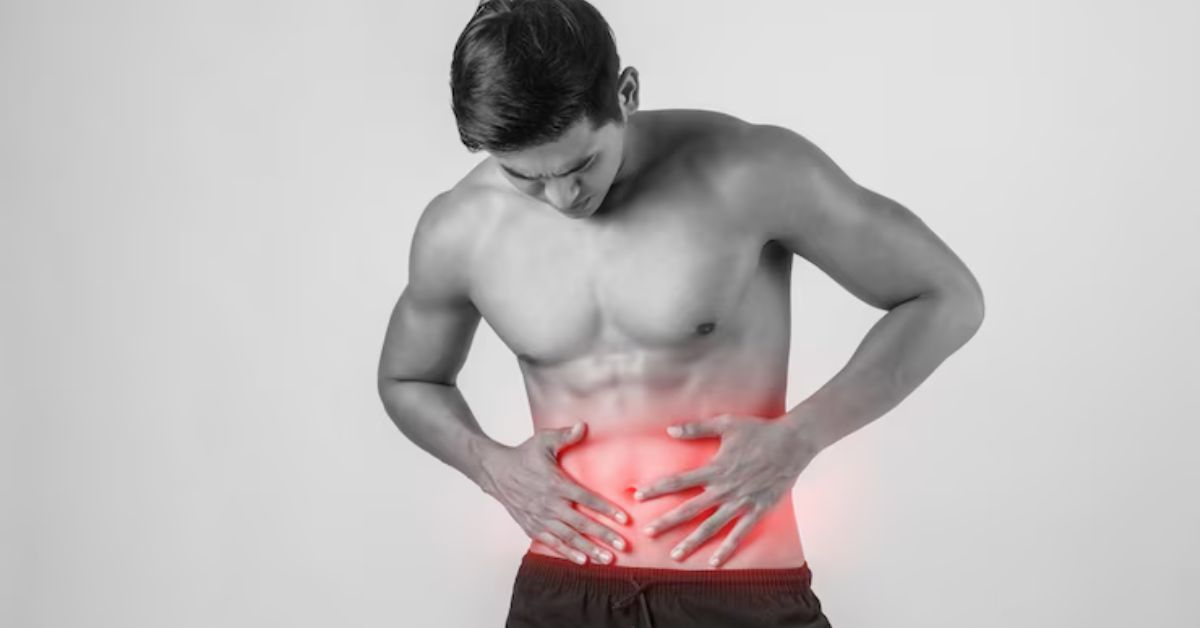
    Signs like a dull soreness, a noticeable protrusion, or discomfort while lifting are frequently ignored or dismissed as trivial. They could, however, indicate a hernia, which is more serious. Untreated hernias can eventually become unpleasant and even hazardous, even though many people dismiss them as a simple muscular strain. For this reason, prompt medical care is essential. You can avoid problems and get long-lasting comfort with an early diagnosis and consultation with a skilled hernia specialist doctor in Indore.

    Realising the Significance of a Hernia┬а

    A hernia happens when a tissue or organ inside the body pushes through a weak point in the surrounding tissue wall or muscle. Although it can occur in several body areas, the abdomen or groin is the most frequently affected. Hernias seldom go better on their own without treatment; if left untreated, they might worsen. 

    Several kinds exist: 

    • Inguinal hernia: Men frequently get inguinal hernias, which are located in the groin area. 
    • Umbilical hernia: is often observed close to the navel 
    • Hiatal hernia: тАпA portion of the stomach presses into the chest in a hiatal hernia. 
    • Incisional hernia: Following surgery, an incisional hernia may develop. 

    You may avoid suffering in silence or running the danger of developing more significant health problems later on by identifying them early and getting in touch with a hernia specialist doctor in Indore. 

    When Surgery is the Best Choice for Your Health┬а

    While many hernias eventually require surgery, not all do so immediately. Today, laparoscopic operations are the primary approach for hernia surgery, which is far less invasive than it was in the past. These enable less discomfort, less scarring, and a speedier recovery. 

    Here are some situations where surgery could be advised: 

    • Persistent pain or discomfort 
    • An expanding hernia 
    • Limited mobility or activity 
    • Obstruction of the bowel or other issues 
    • Limitations in lifestyle due to pain from hernias 

    In addition to assisting with tissue repair, a knowledgeable hernia surgeon will help you avoid recurrence and ensure a speedy recovery. 

    Paying attention to what your body tells you is key to good health. Although a hernia may appear minor, it can cause more serious issues if ignored. Speaking with a reputable hernia doctor in Indore can significantly improve your everyday comfort and independence and resolve the problem. It could be time to treat your health how it needs to be treated before discomfort becomes a disturbance, if you have been putting off that checkup. 
  • Achieving Precision and Confidence with Advanced Laser Treatments┬а

    Achieving Precision and Confidence with Advanced Laser Treatments┬а

    Laser surgery is rapidly emerging as a popular method in modern medicine for treating various conditions. With greater accuracy, minimal tissue damage, and faster recovery times, itтАЩs no surprise that more people are opting for this advanced technique. To ensure both safety and effectiveness, choosing an experienced laser surgeon in Indore is essential, as they not only perform the procedure but also ensure optimal results.

    The Power of Laser Surgery: Why ItтАЩs a Game Changer 

    Laser surgery has attracted much attention as a surgical method in recent years because it allows the surgeon to work selectively. The laser is used to cut or vaporize the tissues without much affecting the neighbouring areas. This makes it more comfortable, shorter time for healing, and decreased chances of contracting an infection compared to other surgical processes. Laser surgery in dermatology, ophthalmology or dental medicine has a few advantages: 

    Precision:

    Lasers are usually very selective and do not affect the surrounding tissues in this region or within the target area. 

    Minimally Invasive:

    Doctors now use lasers for many procedures that once required sutures, which helps patients heal faster.

    Reduced Risk:

    Lasers offer a safer option for many patients because they reduce the chances of complications during surgery.

    Patients often seek LASIK eye surgery due to the desire to correct their vision while reducing risks as much as possible; for this reason, the choice of a laser surgeonтАпinтАпIndore plays a critical role in the process. Now, whichever treatment you undertake тАУ may it be a face lift, some liposuction, a face peel or you are having LASIK surgery, the doctorтАЩs skill is going to be critical to your success. It is very important to choose the best laser treatment done by the highly qualified specialist because this way the patient can get rid of many health and aesthetic problems with the minimum of pain and time. Spend your time in searching for the right person who will assist you in all your requirements to be able to get the outcome you need. 

  • Relieving Discomfort and Healing Faster with Effective Fissure Solutions┬а

    Relieving Discomfort and Healing Faster with Effective Fissure Solutions┬а

    Having an anal fissure is never a good experience because it is painful, and can create problems throughout the day. These small tears or cracks in the skin round the anus can be caused by constipation, diarrhea and even childbirth. But in most cases, the condition is temporary and calling for the right intervention will help in reducing pain and aid in recovery. There is always a way to address the problem and get relief with effective fissure treatment available in Indore. 

    Non-Surgical Treatment Options 

    For most people, nonsurgical approaches can be useful in treating this condition, mainly anal fissures. Such treatments are commonly aimed at eliminating pain, helping the affected limb to recuperate, and avoiding more complications. Some common options include: 

    Topical medications:

    Nitroglycerin ointments, calcium channel blockers, or corticosteroids can help to reduce the spastic tone of the anal sphincter and improve blood circulation around the site of the fissure in order to promote healing.┬а

    Warm sitz baths:

    Another way to relieve the pain is to bath in warm water for 10-15 minutes three or four times a day, as it causes the muscles around the anal area to loosen up.┬а

    Stool softeners:

    These facilitate easy passage of feces hence reducing pressure exerted to the anus.┬а

    In most patients, conservative management methods can be enough to heal the condition within the first few weeks. However, if these cracks fail to heal or take a long time to heal then one may have to undergo more complex treatments.┬а

    Surgical Options for Chronic Fissures 

    If non-surgical intervention is not effective or if the fissures have become chronic, surgery might be necessary. A qualified doctor who offers fissure treatment in Indore may prescribe: 

    Lateral internal sphincterotomy:

    This is a common way to treat the condition in which a surgeon makes an incision on the sphincter muscle to reduce the pressure round the fistula and allow the fissure to heal. It is performed under local anaesthesia and is reported to be very efficient.┬а

    Fissurectomy:

    At times, the surgeon has to go to the extreme of excising the fissure tissue to enhance tissue healing. This is however done if there is severe tearing or if fissure has not closed completely with other treatment.┬а

    Surgery can be undertaken by individuals with persistent or recurrent fissures that have not responded to conservative measures. 

    Seeking fissure treatment in Indore can help reduce pain and encourage healing, regardless of how severe your anal fissures are or how long you’ve had them. You can choose the best course of action to deal with the problem successfully because there are numerous treatment choices accessible, including both non-invasive techniques and surgical procedures. Seek expert assistance to restore comfort and lead a pain-free life rather than allowing fissures to ruin your life.┬а

  • Understanding Neural Tube Defects: Path to Recovery

    Understanding Neural Tube Defects: Path to Recovery

    Neural tube defects (NTDs) are birth disorders caused by improper development of the neural tube during the early stages of pregnancy. The neural tube eventually forms the brain and spinal cord. These defects can result in serious conditions like anencephaly or spina bifida, leading to long-term mental and physical challenges. Early identification and proper treatment are essential for managing NTDs. With knowledge of the causes, symptoms, and treatment options, families can approach this difficult situation with confidence.

    What Causes Neural Tube Defects?

    NTDs are caused by a combination of environmental and genetic factors. While the exact cause is often unclear, certain risk factors increase the likelihood of a child being born with an NTD. These include maternal health issues such as diabetes, obesity, or a history of NTDs in previous pregnancies. A significant factor is folic acid deficiency, as women who do not get enough folic acid before and during the early months of pregnancy are more likely to have a child with an NTD.

    The Importance of Early Detection

    Early detection is key to managing neural tube defects effectively. Routine prenatal screenings, such as blood tests and ultrasounds, can detect many cases of NTDs. These screenings allow doctors to monitor the fetus’s growth and identify signs of abnormal development. While some NTDs are only detectable in the second trimester, others can be identified as early as the first trimester. Once diagnosed, parents can consult medical professionals to discuss treatment options and prepare for the care their child will need after birth.

    Treatment Options for Neural Tube Defects

    Treatment for NTDs depends on the type and severity of the defect. Early detection can help reduce risks associated with these abnormalities. For example, babies born with spina bifidaтАФwhere the spinal cord is exposedтАФmay need surgery. Early postnatal surgery can close the spinal opening, reducing the risk of infections, paralysis, and other complications.

    In addition to surgery, children with NTDs may require long-term care, including physical and occupational therapy. A team of pediatricians, neurologists, and orthopedic surgeons often work together to provide comprehensive care, improving the quality of life for children with NTDs.

    Supporting Families Through Care and Treatment

    Caring for a child with a neural tube defect requires not only medical treatment but also emotional and psychological support for the entire family. Support groups and counseling programs play a crucial role in helping families cope with the challenges of the condition. Since treatment for NTDs can last for years, healthcare professionals also guide families on managing daily care, school planning, physical therapy, and dietary needs.

    Seeking Treatment and Support for Neural Tube Defects

    For the best outcomes, seeking neural tube defects treatment in Indore is essential. Medical specialists in Indore are equipped to provide effective treatment plans and ongoing care, whether it involves prenatal counseling, surgery, or postnatal rehabilitation. With the support of experienced medical teams, children can lead fulfilling, healthy lives.

    early detection and comprehensive treatment plans are key to improving outcomes for children with neural tube defects. By seeking neural tube defects treatment in Indore, families can rest assured that they will receive the care they need from qualified specialists, utilizing the latest advancements in medical treatment. With the right care, whether it involves long-term therapy, surgery, or rehabilitation, children with NTDs can thrive and enjoy happy, healthy lives.

  • Managing Neuroblastoma: A Path to Effective Treatment and Care

    Managing Neuroblastoma: A Path to Effective Treatment and Care

    Children are most frequently affected by neuroblastoma, a kind of cancer that starts in the nerve tissue. Although it can grow along the spine, neck, chest, or pelvis, it mainly affects the adrenal glands. Early identification and the appropriate treatment strategy are essential to increase the likelihood of a successful recovery. Even though neuroblastoma is uncommon, it can be aggressive, so parents and caregivers must be aware of its symptoms, diagnosis, and available treatments. An examination of the ailment and its treatment is provided here.

    Neuroblastoma: What is it?

    A cancer that begins in the nerve cells, neuroblastoma frequently affects young children. The adrenal glands, which are located above the kidneys and provide hormones that control several bodily processes, are typically where this kind of cancer starts. But nerve tissue throughout the spine, neck, chest, or pelvis can also be the site of neuroblastoma’s initiation. The location of the tumor determines the symptoms of neuroblastoma. Depending on where it is, it may result in discomfort, swelling, or even interfere with normal body processes like bowel motions.

    Identification and the Value of Early Detection

    Doctors usually use imaging scans (such as CT or MRI), blood tests, and occasionally a biopsy to confirm the presence of malignant cells to diagnose neuroblastoma. Since neuroblastoma typically affects highly young children, parents must be vigilant about any lingering or inexplicable symptoms. The diagnosis and confirmation of the illness are accomplished by pediatric oncologists, following which the treatment procedure starts.

    Options for Neuroblastoma Treatment

    The size, location, and general health of the kid all influence the treatment strategy for neuroblastoma. Radiation therapy, chemotherapy, surgery, and, occasionally, stem cell therapy is used in conjunction with treatment.

    Operation

    The initial line of treatment for neuroblastoma is frequently surgery. Removing as much of the tumor as feasible is the aim. Surgery can often considerably shrink the tumor, increasing the efficacy of subsequent therapies.

    Chemotherapy

    Chemotherapy kills cancer cells by using powerful medications. It is frequently used to reduce the tumor and eradicate any cancer cells that may still be present before and after surgery. It is crucial to have continuous medical assistance since this treatment can be pretty intense, and children receiving chemotherapy may have adverse effects.

    Radiation Treatment

    Another alternative is radiation therapy, mainly if physically removing the tumor is challenging. It targets and destroys cancer cells using high-energy photons. Radiation therapy may be combined with other therapies to get the most significant outcomes, depending on the tumorтАЩs location.

    Transplanting Stem Cells

    High doses of chemotherapy can occasionally harm the bone marrow, which makes blood cells. Doctors may suggest a stem cell transplant to help restore bone marrow function. During this process, healthy cells from the child’s body or a donor replace the damaged marrow.

    Support and Treatment for Neuroblastoma

    A group of skilled pediatric oncologists, surgeons, and other professionals must work together to develop a customized care plan to neuroblastoma treatment in Indore. To provide the kid with complete care for both the cancer and its side effects, the medical specialists walk families through each step of the treatment procedure. During the challenging course of treatment, healthcare personnel can also provide the kid and family with emotional and psychological support.

    Towards the Future: The Path to Healing

    Even though neuroblastoma may be a complex illness, many kids can recover and have healthy, happy lives if they receive the proper diagnosis and treatment. Neuroblastoma treatment in Indore provides a holistic strategy that helps families get through this trying period by providing a robust network of care and support in addition to medical intervention.

    Treatments for neuroblastoma are getting better thanks to continuous research and improvements in medical care, which gives optimism for improved results. Parents should collaborate closely with their child’s medical team to ensure that every treatment option is taken into account and that the kid gets the best care possible.

  • Understanding the Stages of Esophageal Cancer

    Understanding the Stages of Esophageal Cancer

    Esophageal cancer is a serious condition that occurs when cells in the esophagus (the tube connecting your throat to your stomach) grow uncontrollably, forming tumors. While early detection is challenging, understanding how this disease progresses can help you better comprehend the treatment options available. In this post, we will break down the stages of the disease and what each stage means in terms of treatment.

    What Are the Stages of Esophageal Cancer?

    The stages of this cancer describe how far the disease has spread. These stages are critical in helping doctors determine the best treatment plan. The stages range from stage 0 (early cancer) to stage IV (advanced cancer that has spread to other parts of the body).

    Stage 0: Very Early Cancer

    Also known as carcinoma in situ, stage 0 is the earliest form of esophageal cancer. In this stage, the abnormal cells are still confined to the innermost layer of the esophagus and havenтАЩt spread to deeper tissues or other organs. Early detection is possible, and treatment is typically highly successful, often involving surgery or minimally invasive procedures. The prognosis for patients diagnosed at this stage is very positive.

    Stage I: Early Cancer

    In stage I, the cancer has grown slightly and has spread to the second layer of the esophagus. However, it has not affected nearby lymph nodes or other organs. The most common treatment for stage I involves surgery to remove the tumor. Chemotherapy or radiation therapy may also be used to prevent recurrence. With proper treatment, the chances of a full recovery at this stage are quite good.

    Stage II: Spread to Lymph Nodes or Deeper Tissues

    At this stage, the cancer has spread into the deeper layers of the esophagus and may involve nearby lymph nodes. Treatment typically combines surgery with chemotherapy and radiation therapy. The aim is to remove the cancer and prevent further spread. While more intensive than earlier stages, treatment may still help achieve a positive outcome.

    Stage III: Advanced Spread to Nearby Tissues

    In stage III, the cancer has invaded nearby tissues and lymph nodes. Treatment is more complex, and a combination of surgery, chemotherapy, and radiation therapy is often required. Though it becomes harder to treat at this stage, aggressive treatments may still control the disease, offering a chance for remission.

    Stage IV: Metastatic Cancer

    Stage IV is the most advanced form of esophageal cancer, where the disease has spread to distant organs, such as the liver or lungs. Treatment at this stage focuses on managing symptoms and improving the patientтАЩs quality of life, rather than attempting to cure the disease. Options like chemotherapy, targeted therapy, and immunotherapy can help control the condition and may extend life.

    Treatment Options for Esophageal Cancer

    Treatment depends on the stage and can include surgery, chemotherapy, radiation therapy, or targeted therapies. For advanced cases, palliative care may also be offered. If you are seeking specialized care for esophageal cancer treatment in Indore, itтАЩs important to consult with skilled professionals who can tailor the right plan based on your condition.

    Final Thoughts

    Understanding the stages of esophageal cancer can help you make informed decisions about your treatment. The earlier the cancer is detected, the more likely it is that treatment will be effective. If you or someone you know is dealing with esophageal cancer, getting professional help from a trusted esophageal cancer treatment in Indore provider can ensure that you receive the best care possible. Remember, with early intervention and the right treatment, the outlook for esophageal cancer can be much brighter.

  • Esophageal Atresia: Causes, Risk Factors, and Diagnosis

    Esophageal Atresia: Causes, Risk Factors, and Diagnosis

    Esophageal atresia (EA) is a rare birth defect where the esophagus (the tube that carries food from your mouth to your stomach) doesnтАЩt develop properly. Instead of forming a continuous tube, the esophagus ends in a blind pouch, preventing food from reaching the stomach. Often, this condition is found alongside another issue called tracheoesophageal fistula (TEF), where thereтАЩs an abnormal connection between the esophagus and the windpipe.

    In this post, weтАЩll explain the causes, risk factors, and how the condition is diagnosed.

    What Causes Esophageal Atresia?

    The exact cause of this birth defect isnтАЩt fully understood. However, itтАЩs believed to happen during early pregnancy when the esophagus doesnтАЩt form properly. Normally, the esophagus connects to the stomach around the 4th or 5th week of pregnancy, but this process can be interrupted in some cases.

    While most instances are random, certain genetic conditions, like VACTERL association (a group of abnormalities affecting the vertebrae, anus, heart, trachea, esophagus, kidneys, and limbs), may increase the likelihood of this condition. These genetic factors could lead to multiple developmental defects, including issues with the esophagus.

    Risk Factors

    Though no one knows exactly why some babies develop this condition, there are a few factors that may increase the risk:

    Genetic Factors:

    Conditions like VACTERL association can make it more likely.

    Maternal Health:

    Health issues such as diabetes during pregnancy can raise the risk of the baby having this condition.

    Previous Births with EA:

    If a woman has had a child with this defect before, thereтАЩs a higher chance it could happen again.

    Environmental Factors:

    Exposure to certain chemicals, medications, or drugs during pregnancy may play a role, though this is still being studied.

    How is Esophageal Atresia Diagnosed?

    The condition is usually diagnosed shortly after birth when doctors observe certain signs. Some common symptoms include:

    • Excessive drooling or difficulty swallowing saliva
    • Choking or coughing when attempting to feed
    • Trouble breathing or rapid breathing

    If doctors suspect this condition, they will confirm the diagnosis with a few tests. These might include:

    • X-rays: A chest or contrast X-ray will show if thereтАЩs a gap in the esophagus or if TEF is present.
    • Endoscopy: A small camera may be used to check for abnormalities in the esophagus.
    • Ultrasound: In some cases, ultrasounds during pregnancy can help detect issues before birth.

    Once diagnosed, your baby may be referred to a specialist or an esophageal atresia surgeon in Indore for further evaluation and treatment.

    Treatment for Esophageal Atresia

    Surgery is the main treatment for this condition. The surgeon will work to reconnect the esophagus or create a new pathway so food can reach the stomach. This procedure is typically done within the first few days or weeks of life. If TEF is present, it will be repaired during the same surgery. After the surgery, doctors will closely monitor the baby to ensure proper healing and recovery.

    If you’re looking for an esophageal atresia surgeon in Indore, make sure to choose one with experience in dealing with this rare condition. The right medical care will give your child the best chance at a healthy recovery.

    Esophageal atresia is a serious condition, but with early diagnosis and treatment, most children can go on to live healthy, normal lives. If you suspect your child may have EA or need help with treatment options, donтАЩt hesitate to reach out to a trusted medical professional or an esophageal atresia surgeon in Indore for expert care and guidance.

  • When Should You Consider Hernia Surgery? Key Signs to Watch For

    When Should You Consider Hernia Surgery? Key Signs to Watch For

    Hernias are a common medical condition that occurs when part of an organ or tissue pushes through a weak spot in the muscle or surrounding tissue. While many hernias are not immediately dangerous, they can cause discomfort and lead to serious complications if left untreated. In some cases, hernia surgery may be necessary to repair the condition and prevent further health issues. But how do you know when it’s time to consider hernia surgery? LetтАЩs explore the key signs that indicate surgery may be needed.

    1. Pain or Discomfort

    One of the most common reasons for considering hernia surgery is persistent pain or discomfort. Hernias can cause a dull ache or sharp pain, particularly when youтАЩre lifting heavy objects, coughing, or even while standing for long periods. If the pain interferes with your daily activities or worsens over time, it may be time to consult a healthcare provider. In such cases, hernia surgery in Indore can help alleviate the pain by repairing the hernia and preventing it from causing further complications.

    2. A Noticeable Bulge

    A visible bulge in the abdomen or groin is often a key sign of a hernia. This bulge occurs when a part of the intestine or fatty tissue pushes through the abdominal wall. While it may not always be painful, the bulge is a clear indication that the hernia is present. If the bulge gets larger or more prominent, it can signal that the hernia is worsening. Surgery may be required to prevent it from becoming a bigger issue.

    3. Nausea and Vomiting

    Nausea and vomiting are concerning signs that could indicate a more serious problem, such as strangulation, which occurs when the hernia blocks blood flow to the tissue or organ. This is a medical emergency and requires immediate attention. If you experience these symptoms alongside your hernia, itтАЩs important to seek prompt medical care. In such cases, hernia surgery in Indore is often the best course of action to relieve the obstruction and prevent damage to the tissue.

    4. Difficulty with Daily Activities

    If your hernia makes it difficult to perform daily tasksтАФlike bending over, lifting, or even walkingтАФitтАЩs time to consult a doctor. When a hernia interferes with your ability to lead a normal life, surgery can restore comfort and mobility. A surgeon will evaluate your condition and may recommend surgery to improve your quality of life.

    5. The Hernia Is Getting Larger

    Hernias tend to worsen over time. If your hernia is growing in size, it means the opening in your abdominal wall is becoming larger, and the risk of complications increases. Surgery is often the most effective way to prevent the hernia from growing further and causing more damage to the surrounding tissue.

    If you’re experiencing any of these symptoms, itтАЩs important to consult with a healthcare provider to determine whether hernia surgery in Indore is necessary. Surgery can provide relief from pain, prevent complications, and restore your ability to perform daily activities. Don’t wait for the condition to worsenтАФearly intervention can lead to a smoother recovery and better long-term health outcomes.

  • What Is Femoral Hernia Surgery? A Complete Guide

    What Is Femoral Hernia Surgery? A Complete Guide

    A femoral hernia happens when part of the intestine or fatty tissue pushes through a weak spot in the abdominal wall, usually near the groin. While femoral hernias are less common than other types, they can lead to discomfort and more serious complications if left untreated. In some cases, surgery is necessary to repair the hernia and prevent further issues.

    What Is Femoral Hernia Surgery?

    Femoral hernia surgery is a procedure that fixes the hernia by pushing the protruding tissue back into the abdomen and strengthening the abdominal wall. The main goal is to prevent the hernia from coming back and to relieve any pain or discomfort. This surgery is typically performed under general anesthesia and can be done through traditional open surgery or using minimally invasive techniques, like laparoscopic surgery.

    Why Is Femoral Hernia Surgery Necessary?

    Femoral hernias are more common in women, especially older ones, but they can affect anyone. Sometimes, femoral hernias donтАЩt cause significant symptoms, but if left untreated, they can lead to serious complications. One of the biggest risks is strangulation, where the blood supply to the intestine is cut off. This can cause tissue damage and needs immediate medical care. If the hernia becomes painful or creates a bulge, surgery is usually the recommended solution.

    If you’re experiencing any of these symptoms, it’s important to consult a healthcare provider. They will diagnose the condition and recommend the best treatment, including femoral hernia surgery in Indore, if necessary.

    What to Expect During the Procedure

    Before the surgery, your doctor will assess your overall health and decide on the best surgical approach for your case. Most femoral hernia surgeries are done on an outpatient basis, meaning you can go home the same day. The surgery typically lasts 1 to 2 hours, depending on the method used.

    In open surgery, the surgeon makes a small incision near the hernia site, pushes the protruding tissue back into place, and reinforces the abdominal wall using stitches or mesh. Laparoscopic surgery involves smaller incisions and uses a camera to guide the procedure, which often results in quicker recovery times and less scarring.

    Recovery After Femoral Hernia Surgery

    After femoral hernia surgery in Indore, most patients can return home the same day. Recovery times can vary, but many people can resume light activities in about 1 to 2 weeks. ItтАЩs crucial to follow your doctorтАЩs instructions to avoid straining the surgical area and to help your body heal properly.

    During the recovery phase, avoid heavy lifting or strenuous activities for a few weeks. Pain and swelling around the incision are normal but usually go away within a few days to weeks. Your doctor may recommend physical therapy or exercises to strengthen the area and prevent the hernia from coming back.

    Femoral hernia surgery is a safe and effective way to repair hernias and prevent serious complications. If you think you have a femoral hernia, it’s important to consult with a healthcare professional to decide on the best treatment plan for you. For those in Indore, femoral hernia surgery in Indore is available with skilled surgeons who can guide you through the process. With proper care and recovery, you can return to a pain-free and active lifestyle after surgery.

  • рдпрджрд┐ рдЖрдкрдХреЛ рд╣рд░реНрдирд┐рдпрд╛ рдХрд╛ рджрд░реНрдж рд╣реИ рддреЛ рдХрд┐рди рдЦрд╛рджреНрдп рдкрджрд╛рд░реНрдереЛрдВ рд╕реЗ рдмрдЪреЗрдВ

    рдпрджрд┐ рдЖрдкрдХреЛ рд╣рд░реНрдирд┐рдпрд╛ рдХрд╛ рджрд░реНрдж рд╣реИ рддреЛ рдХрд┐рди рдЦрд╛рджреНрдп рдкрджрд╛рд░реНрдереЛрдВ рд╕реЗ рдмрдЪреЗрдВ

    рд╣рд░реНрдирд┐рдпрд╛ рддрдм рд╣реЛрддрд╛ рд╣реИ рдЬрдм рд╢рд░реАрд░ рдХрд╛ рдХреЛрдИ рдЕрдВрдЧ рдпрд╛ рдКрддрдХ рдорд╛рдВрд╕рдкреЗрд╢рд┐рдпреЛрдВ рдпрд╛ рд╕рдВрдпреЛрдЬреА рдКрддрдХ рдХреЗ рдХрдордЬреЛрд░ рд╣рд┐рд╕реНрд╕реЗ рд╕реЗ рдмрд╛рд╣рд░ рдирд┐рдХрд▓ рдЬрд╛рддрд╛ рд╣реИред рдпрд╣ рд╕реНрдерд┐рддрд┐ рдЕрд╕рд╣рдЬрддрд╛ рдпрд╛ рджрд░реНрдж рдХрд╛ рдХрд╛рд░рдг рдмрди рд╕рдХрддреА рд╣реИ, рдФрд░ рдЖрд╣рд╛рд░ рдЗрд╕ рджрд░реНрдж рдХреЛ рдХрдо рдХрд░рдиреЗ рдореЗрдВ рдорд╣рддреНрд╡рдкреВрд░реНрдг рднреВрдорд┐рдХрд╛ рдирд┐рднрд╛ рд╕рдХрддрд╛ рд╣реИред рдХреБрдЫ рдЦрд╛рджреНрдп рдкрджрд╛рд░реНрде рдкреЗрдЯ рдкрд░ рдЕрдзрд┐рдХ рджрдмрд╛рд╡ рдбрд╛рд▓рддреЗ рд╣реИрдВ, рдЬрд┐рд╕рд╕реЗ рд╣рд░реНрдирд┐рдпрд╛ рдХреЗ рд▓рдХреНрд╖рдг рдмрдврд╝ рд╕рдХрддреЗ рд╣реИрдВред рдпрджрд┐ рдЖрдк рд╣рд░реНрдирд┐рдпрд╛ рд╕реЗ рдЬреВрдЭ рд░рд╣реЗ рд╣реИрдВ, рддреЛ рдЖрдкрдХреЛ рдпрд╣ рдЬрд╛рдирдирд╛ рдЬрд╝рд░реВрд░реА рд╣реИ рдХрд┐ рдХрд┐рд╕ рдкреНрд░рдХрд╛рд░ рдХреЗ рдЦрд╛рджреНрдп рдкрджрд╛рд░реНрдереЛрдВ рд╕реЗ рдмрдЪрдирд╛ рдЪрд╛рд╣рд┐рдПред рдЗрдВрджреМрд░ рдореЗрдВ рд╣рд░реНрдирд┐рдпрд╛ рдЙрдкрдЪрд╛рд░ рдХреЗ рд▓рд┐рдП рдПрдХ рд╡рд┐рд╢реЗрд╖рдЬреНрдЮ рд╕реЗ рдкрд░рд╛рдорд░реНрд╢ рдХрд░рдиреЗ рд╕реЗ рдЖрдкрдХреЛ рдЗрд╕ рд╕реНрдерд┐рддрд┐ рдХреЛ рдмреЗрд╣рддрд░ рддрд░реАрдХреЗ рд╕реЗ рдкреНрд░рдмрдВрдзрд┐рдд рдХрд░рдиреЗ рдореЗрдВ рдорджрдж рдорд┐рд▓ рд╕рдХрддреА рд╣реИред

    1. рдорд╕рд╛рд▓реЗрджрд╛рд░ рдЦрд╛рджреНрдп рдкрджрд╛рд░реНрде

    рдорд╕рд╛рд▓реЗрджрд╛рд░ рдЦрд╛рджреНрдп рдкрджрд╛рд░реНрде рдЬреИрд╕реЗ рдХрд┐ рддреАрдЦреЗ рдорд┐рд░реНрдЪ, рдХрд░реА, рдФрд░ рдорд╕рд╛рд▓реЗрджрд╛рд░ рд╕реЙрд╕ рдкрд╛рдЪрди рддрдВрддреНрд░ рдХреЛ рдЙрддреНрддреЗрдЬрд┐рдд рдХрд░ рд╕рдХрддреЗ рд╣реИрдВ, рдЬрд┐рд╕рд╕реЗ рдПрд╕рд┐рдб рд░рд┐рдлреНрд▓рдХреНрд╕ рдФрд░ рд╣рд╛рд░реНрдЯрдмрд░реНрди рдЬреИрд╕реА рд╕рдорд╕реНрдпрд╛рдПрдБ рдЙрддреНрдкрдиреНрди рд╣реЛ рд╕рдХрддреА рд╣реИрдВред рдпреЗ рд╕реНрдерд┐рддрд┐рдпрд╛рдБ рд╣рд░реНрдирд┐рдпрд╛ рдХреЗ рд▓рдХреНрд╖рдгреЛрдВ рдХреЛ рдмрдврд╝рд╛ рд╕рдХрддреА рд╣реИрдВ, рдЦрд╛рд╕рдХрд░ рд╣рд╛рдЗрдЯрд▓ рд╣рд░реНрдирд┐рдпрд╛ рдореЗрдВ, рдЬрд╣рд╛рдБ рдкреЗрдЯ рдбрд╛рдпрдлреНрд░рд╛рдо рдХреЗ рдорд╛рдзреНрдпрдо рд╕реЗ рдмрд╛рд╣рд░ рдирд┐рдХрд▓рддрд╛ рд╣реИред

    2. рд╡рд╕рд╛рдпреБрдХреНрдд рдЦрд╛рджреНрдп рдкрджрд╛рд░реНрде

    рддрд▓реЗ рд╣реБрдП рдЦрд╛рджреНрдп рдкрджрд╛рд░реНрде, рд╡рд╕рд╛рдпреБрдХреНрдд рдорд╛рдВрд╕, рдФрд░ рдкреНрд░рд╕рдВрд╕реНрдХреГрдд рд╕реНрдиреИрдХреНрд╕ рдЬреИрд╕реЗ рдЙрдЪреНрдЪ рд╡рд╕рд╛рдпреБрдХреНрдд рдЦрд╛рджреНрдп рдкрджрд╛рд░реНрде рдкрд╛рдЪрди рдХреЛ рдзреАрдорд╛ рдХрд░ рд╕рдХрддреЗ рд╣реИрдВ рдФрд░ рд╕реВрдЬрди рдХрд╛ рдХрд╛рд░рдг рдмрди рд╕рдХрддреЗ рд╣реИрдВред рдЗрд╕рд╕реЗ рд╣рд░реНрдирд┐рдпрд╛ рдкрд░ рдЕрдзрд┐рдХ рджрдмрд╛рд╡ рдкрдбрд╝рддрд╛ рд╣реИ, рдЬрд┐рд╕рд╕реЗ рдЕрд╕реБрд╡рд┐рдзрд╛ рдФрд░ рджрд░реНрдж рдмрдврд╝ рд╕рдХрддрд╛ рд╣реИред рдЗрд╕ рдкреНрд░рдХрд╛рд░ рдХреЗ рдЦрд╛рджреНрдп рдкрджрд╛рд░реНрдереЛрдВ рдХрд╛ рд╕реЗрд╡рди рдХрдо рдХрд░рдиреЗ рд╕реЗ рд▓рдХреНрд╖рдгреЛрдВ рдореЗрдВ рд░рд╛рд╣рдд рдорд┐рд▓ рд╕рдХрддреА рд╣реИред

    3. рдЦрдЯреНрдЯреЗ рдлрд▓

    рд╕рдВрддрд░реЗ, рдиреАрдВрдмреВ рдФрд░ рдЕрдВрдЧреВрд░ рдЬреИрд╕реЗ рдЦрдЯреНрдЯреЗ рдлрд▓ рдмрд╣реБрдд рдЕрдзрд┐рдХ рдЕрдореНрд▓реАрдп рд╣реЛрддреЗ рд╣реИрдВред рдпреЗ рдлрд▓ рдкреЗрдЯ рдХреА рдкрд░рдд рдХреЛ рдЙрддреНрддреЗрдЬрд┐рдд рдХрд░ рд╕рдХрддреЗ рд╣реИрдВ рдФрд░ рд╣рд╛рд░реНрдЯрдмрд░реНрди рдХрд╛ рдХрд╛рд░рдг рдмрди рд╕рдХрддреЗ рд╣реИрдВ, рдЬреЛ рд╣рд░реНрдирд┐рдпрд╛ рдХреЗ рдХреБрдЫ рдкреНрд░рдХрд╛рд░ рдХреЗ рд▓рдХреНрд╖рдгреЛрдВ рдХреЛ рдФрд░ рдмрдврд╝рд╛ рд╕рдХрддрд╛ рд╣реИред рдпрджрд┐ рдЖрдкрдХреЛ рдмрд╛рд░-рдмрд╛рд░ рдПрд╕рд┐рдб рд░рд┐рдлреНрд▓рдХреНрд╕ рдХреА рд╕рдорд╕реНрдпрд╛ рд╣реЛрддреА рд╣реИ, рддреЛ рдЦрдЯреНрдЯреЗ рдлрд▓реЛрдВ рд╕реЗ рдмрдЪрдирд╛ рдЪрд╛рд╣рд┐рдПред

    4. рдХрд╛рд░реНрдмреЛрдиреЗрдЯреЗрдб рдкреЗрдп рдкрджрд╛рд░реНрде

    рдХрд╛рд░реНрдмреЛрдиреЗрдЯреЗрдб рдкреЗрдп рдкрджрд╛рд░реНрде, рдЬреИрд╕реЗ рд╕реЛрдбрд╛ рдФрд░ рд╕реНрдкрд╛рд░реНрдХрд▓рд┐рдВрдЧ рдкрд╛рдиреА, рдкреЗрдЯ рдореЗрдВ рд╕реВрдЬрди рдФрд░ рдЧреИрд╕ рдХрд╛ рдирд┐рд░реНрдорд╛рдг рдХрд░ рд╕рдХрддреЗ рд╣реИрдВред рдкреЗрдЯ рдореЗрдВ рдЧреИрд╕ рдХрд╛ рдирд┐рд░реНрдорд╛рдг рд╣рд░реНрдирд┐рдпрд╛ рдХреЗ рд▓рдХреНрд╖рдгреЛрдВ рдХреЛ рдФрд░ рдмрдврд╝рд╛ рд╕рдХрддрд╛ рд╣реИ рдХреНрдпреЛрдВрдХрд┐ рдпрд╣ рдкреЗрдЯ рдкрд░ рдЕрддрд┐рд░рд┐рдХреНрдд рджрдмрд╛рд╡ рдбрд╛рд▓рддрд╛ рд╣реИред рдЧреИрд░-рдХрд╛рд░реНрдмреЛрдиреЗрдЯреЗрдб рдкреЗрдп рдкрджрд╛рд░реНрде рдЬреИрд╕реЗ рд╣рд░реНрдмрд▓ рдЪрд╛рдп рдХрд╛ рдЪрдпрди рдХрд░рдирд╛ рдмреЗрд╣рддрд░ рд╣реЛрддрд╛ рд╣реИред

    5. рдбреЗрдпрд░реА рдЙрддреНрдкрд╛рдж

    рдкреВрд░реЗ рджреВрдз, рдЪреАрдЬрд╝ рдФрд░ рдХреНрд░реАрдо рдЬреИрд╕реЗ рд╡рд╕рд╛рдпреБрдХреНрдд рдбреЗрдпрд░реА рдЙрддреНрдкрд╛рджреЛрдВ рдХреЛ рдкрдЪрд╛рдирд╛ рдореБрд╢реНрдХрд┐рд▓ рд╣реЛ рд╕рдХрддрд╛ рд╣реИ рдФрд░ рдпреЗ рд╕реВрдЬрди рдФрд░ рдЕрд╕рд╣рдЬрддрд╛ рдХрд╛ рдХрд╛рд░рдг рдмрди рд╕рдХрддреЗ рд╣реИрдВред рдпрджрд┐ рдЖрдкрдХреЛ рд╣рд░реНрдирд┐рдпрд╛ рдХрд╛ рджрд░реНрдж рд╣реИ, рддреЛ рдЗрди рдЦрд╛рджреНрдп рдкрджрд╛рд░реНрдереЛрдВ рдХреЗ рд╕реЗрд╡рди рдХреЛ рдХрдо рдХрд░рдирд╛ рдлрд╛рдпрджреЗрдордВрдж рд╣реЛ рд╕рдХрддрд╛ рд╣реИред

    рд╣рд░реНрдирд┐рдпрд╛ рдХрд╛ рд╕рд╣реА рдЙрдкрдЪрд╛рд░ рдФрд░ рдЬрдЯрд┐рд▓рддрд╛рдУрдВ рд╕реЗ рдмрдЪрдиреЗ рдХреЗ рд▓рд┐рдП рдЖрд╣рд╛рд░ рдореЗрдВ рдкрд░рд┐рд╡рд░реНрддрди рдХрд░реЗрдВ рдФрд░ рдкреЗрд╢реЗрд╡рд░ рд╕рд▓рд╛рд╣ рд▓реЗрдВред рдЗрдВрджреМрд░ рдореЗрдВ рд╣рд░реНрдирд┐рдпрд╛ рдЙрдкрдЪрд╛рд░ рдХреЗ рд╡рд┐рд╢реЗрд╖рдЬреНрдЮ рд╕реЗ рдкрд░рд╛рдорд░реНрд╢ рдХрд░рдиреЗ рд╕реЗ рдЖрдкрдХреЛ рдЕрдкрдиреЗ рд▓рдХреНрд╖рдгреЛрдВ рдХреЗ рд▓рд┐рдП рд╕рд╣реА рдЖрд╣рд╛рд░ рдФрд░ рдЬреАрд╡рдирд╢реИрд▓реА рдХреЗ рдмрд╛рд░реЗ рдореЗрдВ рдорд╛рд░реНрдЧрджрд░реНрд╢рди рдкреНрд░рд╛рдкреНрдд рд╣реЛ рд╕рдХрддрд╛ рд╣реИред

  • рд╣рд░реНрдирд┐рдпрд╛ рд╕рд░реНрдЬрд░реА: рдХрдм рдФрд░ рдХреНрдпреЛрдВ рдЖрд╡рд╢реНрдпрдХ рд╣реЛ рд╕рдХрддреА рд╣реИ?

    рд╣рд░реНрдирд┐рдпрд╛ рд╕рд░реНрдЬрд░реА: рдХрдм рдФрд░ рдХреНрдпреЛрдВ рдЖрд╡рд╢реНрдпрдХ рд╣реЛ рд╕рдХрддреА рд╣реИ?

    рд╣рд░реНрдирд┐рдпрд╛ рдПрдХ рд╕рд╛рдорд╛рдиреНрдп рдЪрд┐рдХрд┐рддреНрд╕рд╛ рд╕реНрдерд┐рддрд┐ рд╣реИ, рдЬрд┐рд╕рдореЗрдВ рд╢рд░реАрд░ рдХреЗ рдЖрдВрддрд░рд┐рдХ рдЕрдВрдЧ, рдЬреИрд╕реЗ рдЖрдВрдд рдпрд╛ рд╡рд╕рд╛, рддреНрд╡рдЪрд╛ рдХреЗ рдиреАрдЪреЗ рд╕реЗ рдмрд╛рд╣рд░ рдирд┐рдХрд▓ рдЖрддреЗ рд╣реИрдВред рд╣рд░реНрдирд┐рдпрд╛ рдкреЗрдЯ, рдирд╛рднрд┐ рдпрд╛ рдЖрдВрддрд░рд┐рдХ рдЕрдВрдЧреЛрдВ рдХреЗ рдЖрд╕рдкрд╛рд╕ рд╣реЛ рд╕рдХрддрд╛ рд╣реИред рдпрд╣ рд╕рдорд╕реНрдпрд╛ рдХрд┐рд╕реА рднреА рд╡реНрдпрдХреНрддрд┐ рдХреЛ рд╣реЛ рд╕рдХрддреА рд╣реИ, рд▓реЗрдХрд┐рди рдХрднреА-рдХрднреА рдпрд╣ рд╕реНрдерд┐рддрд┐ рдЧрдВрднреАрд░ рд╣реЛ рд╕рдХрддреА рд╣реИ, рдЬрд┐рд╕рдХреЗ рд▓рд┐рдП рд╣рд░реНрдирд┐рдпрд╛ рд╕рд░реНрдЬрд░реА рдХреА рдЖрд╡рд╢реНрдпрдХрддрд╛ рд╣реЛрддреА рд╣реИред рд╣рд░реНрдирд┐рдпрд╛ рдХреЗ рд╡рд┐рднрд┐рдиреНрди рдкреНрд░рдХрд╛рд░ рд╣реЛрддреЗ рд╣реИрдВ, рдЬреИрд╕реЗ inguinal hernia (рдЗрдВрдЧреНрд╡рд┐рдирд▓ рд╣рд░реНрдирд┐рдпрд╛), umbilical hernia (рдирд╛рднрд┐ рд╣рд░реНрдирд┐рдпрд╛), рдФрд░ incisional hernia (рд╕рд░реНрдЬрд┐рдХрд▓ рдШрд╛рд╡ рд╕реЗ рд╣рд░реНрдирд┐рдпрд╛)ред

    рд╣рд░реНрдирд┐рдпрд╛ рд╕рд░реНрдЬрд░реА рдХреА рдЖрд╡рд╢реНрдпрдХрддрд╛ рдХрдм рд╣реЛрддреА рд╣реИ?

    1. рджрд░реНрдж рдФрд░ рдЕрд╕реБрд╡рд┐рдзрд╛: рд╣рд░реНрдирд┐рдпрд╛ рдХреЗ рдХрд╛рд░рдг рд╡реНрдпрдХреНрддрд┐ рдХреЛ рд▓рдЧрд╛рддрд╛рд░ рджрд░реНрдж рдФрд░ рдЕрд╕реБрд╡рд┐рдзрд╛ рд╣реЛ рд╕рдХрддреА рд╣реИ, рдЬреЛ рдЙрдирдХреЗ рджреИрдирд┐рдХ рдХрд╛рд░реНрдпреЛрдВ рдореЗрдВ рдмрд╛рдзрд╛ рдбрд╛рд▓рддреА рд╣реИред рдпрджрд┐ рдпрд╣ рджрд░реНрдж рдмрдврд╝рддрд╛ рд╣реИ рдФрд░ рдЬреАрд╡рди рдХреА рдЧреБрдгрд╡рддреНрддрд╛ рдкрд░ рдЕрд╕рд░ рдбрд╛рд▓рддрд╛ рд╣реИ, рддреЛ рд╕рд░реНрдЬрд░реА рдЬрд░реВрд░реА рд╣реЛ рд╕рдХрддреА рд╣реИред
    2. рдЖрдВрддреЛрдВ рдореЗрдВ рд░рдХреНрдд рдкреНрд░рд╡рд╛рд╣ рд░реБрдХрдирд╛: рдЕрдЧрд░ рд╣рд░реНрдирд┐рдпрд╛ рдХреЗ рдХрд╛рд░рдг рдЖрдВрддреЛрдВ рдпрд╛ рдЕрдиреНрдп рдЕрдВрдЧреЛрдВ рдореЗрдВ рд░рдХреНрдд рдкреНрд░рд╡рд╛рд╣ рд░реБрдХ рдЬрд╛рддрд╛ рд╣реИ, рддреЛ рдЗрд╕реЗ strangulation рдХрд╣рддреЗ рд╣реИрдВред рдпрд╣ рдПрдХ рдЧрдВрднреАрд░ рд╕реНрдерд┐рддрд┐ рд╣реИ, рдЬрд┐рд╕рд╕реЗ рдЖрдВрддреЛрдВ рдореЗрдВ рд░реБрдХрд╛рд╡рдЯ рдЖ рд╕рдХрддреА рд╣реИ рдФрд░ рдЕрдВрдЧреЛрдВ рдХреЛ рдиреБрдХрд╕рд╛рди рдкрд╣реБрдБрдЪ рд╕рдХрддрд╛ рд╣реИред рдРрд╕реЗ рдорд╛рдорд▓реЛрдВ рдореЗрдВ рддрддреНрдХрд╛рд▓ рд╕рд░реНрдЬрд░реА рдХреА рдЬрд░реВрд░рдд рд╣реЛрддреА рд╣реИред
    3. рд╣рд░реНрдирд┐рдпрд╛ рдХрд╛ рдмрдврд╝рдирд╛: рд╕рдордп рдХреЗ рд╕рд╛рде рд╣рд░реНрдирд┐рдпрд╛ рдХрд╛ рдЖрдХрд╛рд░ рдмрдврд╝ рд╕рдХрддрд╛ рд╣реИ, рдЬрд┐рд╕рд╕реЗ рджрд░реНрдж рдФрд░ рд╕реВрдЬрди рдХреА рд╕рдорд╕реНрдпрд╛ рдмрдврд╝ рдЬрд╛рддреА рд╣реИред рдЕрдЧрд░ рд╣рд░реНрдирд┐рдпрд╛ рдмрдбрд╝рд╛ рд╣реЛ рдЬрд╛рдП рддреЛ рд╕рд░реНрдЬрд░реА рдЖрд╡рд╢реНрдпрдХ рд╣реЛ рд╕рдХрддреА рд╣реИ, рддрд╛рдХрд┐ рдЗрд╕рд╕реЗ рдЬреБрдбрд╝реА рд╕рдорд╕реНрдпрд╛рдУрдВ рд╕реЗ рдмрдЪрд╛ рдЬрд╛ рд╕рдХреЗред
    4. рджрд╡рд╛рдУрдВ рд╕реЗ рд░рд╛рд╣рдд рди рдорд┐рд▓рдирд╛: рдпрджрд┐ рд╣рд░реНрдирд┐рдпрд╛ рдХреЗ рд▓рдХреНрд╖рдг рджрд╡рд╛рдУрдВ рд╕реЗ рдареАрдХ рдирд╣реАрдВ рд╣реЛ рд░рд╣реЗ рд╣реИрдВ рдФрд░ рд╕рдорд╕реНрдпрд╛ рдмрдврд╝рддреА рдЬрд╛ рд░рд╣реА рд╣реИ, рддреЛ рд╕рд░реНрдЬрд░реА рдХреЗ рдЕрд▓рд╛рд╡рд╛ рдХреЛрдИ рд╡рд┐рдХрд▓реНрдк рдирд╣реАрдВ рд░рд╣рддрд╛ред

    рд╣рд░реНрдирд┐рдпрд╛ рд╕рд░реНрдЬрд░реА рдХрд╛ рдорд╣рддреНрд╡

    рд╣рд░реНрдирд┐рдпрд╛ рд╕рд░реНрдЬрд░реА рдПрдХ рдкреНрд░рднрд╛рд╡реА рдЙрдкрдЪрд╛рд░ рд╣реИ, рдЬреЛ рд╣рд░реНрдирд┐рдпрд╛ рд╕реЗ рд╕рдВрдмрдВрдзрд┐рдд рд╕рдорд╕реНрдпрд╛рдУрдВ рдХреЛ рд╕реНрдерд╛рдпреА рд░реВрдк рд╕реЗ рд╣рд▓ рдХрд░рдиреЗ рдореЗрдВ рдорджрдж рдХрд░рддрд╛ рд╣реИред рдпрд╣ рдкреНрд░рдХреНрд░рд┐рдпрд╛ рд╕рд░рд▓ рд╣реЛрддреА рд╣реИ, рдЬрд┐рд╕рдореЗрдВ рд╣рд░реНрдирд┐рдпрд╛ рдХреЗ рд╕реНрдерд╛рди рдХреЛ рдареАрдХ рдХрд┐рдпрд╛ рдЬрд╛рддрд╛ рд╣реИ рдФрд░ рд╢рд░реАрд░ рдХреЛ рд╕рд╛рдорд╛рдиреНрдп рд╕реНрдерд┐рддрд┐ рдореЗрдВ рд▓рд╛рдпрд╛ рдЬрд╛рддрд╛ рд╣реИред

    рд╣рд░реНрдирд┐рдпрд╛ рд╕рд░реНрдЬрд░реА рдХреЗ рдмрд╛рдж рдорд░реАрдЬ рдЬрд▓реНрджреА рдареАрдХ рд╣реЛ рдЬрд╛рддреЗ рд╣реИрдВ рдФрд░ рд╕рд╛рдорд╛рдиреНрдп рдЬреАрд╡рди рдЬреАрдиреЗ рдореЗрдВ рд╕рдХреНрд╖рдо рд╣реЛрддреЗ рд╣реИрдВред рдпрд╣ рд╕рд░реНрдЬрд░реА рдмрд┐рдирд╛ рдХрд┐рд╕реА рдЬрдЯрд┐рд▓рддрд╛ рдХреЗ рд╕рдлрд▓ рд╣реЛрддреА рд╣реИ, рдФрд░ рдорд░реАрдЬ рдХреЛ рдЬрд▓реНрджреА рд░рд╛рд╣рдд рдорд┐рд▓рддреА рд╣реИред

    рдЕрдЧрд░ рдЖрдк рд╣рд░реНрдирд┐рдпрд╛ рдХреЗ рд▓рдХреНрд╖рдгреЛрдВ рд╕реЗ рдкрд░реЗрд╢рд╛рди рд╣реИрдВ, рддреЛ рд╣рд░реНрдирд┐рдпрд╛ рд╡рд┐рд╢реЗрд╖рдЬреНрдЮ рдбреЙрдХреНрдЯрд░ рдЗрдВрджреМрд░ (Hernia Specialist Doctor in Indore) рд╕реЗ рдкрд░рд╛рдорд░реНрд╢ рд▓реЗрдВред рд╡рд╣ рдЖрдкрдХреЛ рд╕рд╣реА рд╕рдордп рдкрд░ рдЗрд▓рд╛рдЬ рдФрд░ рд╕рд░реНрдЬрд░реА рдХреЗ рд▓рд┐рдП рдорд╛рд░реНрдЧрджрд░реНрд╢рди рджреЗрдВрдЧреЗред

    рд╕рдордп рд░рд╣рддреЗ рд╣рд░реНрдирд┐рдпрд╛ рдХрд╛ рдЗрд▓рд╛рдЬ рдХрд░рд╡рд╛рдирд╛ рдЧрдВрднреАрд░ рд╕рдорд╕реНрдпрд╛рдУрдВ рд╕реЗ рдмрдЪрдиреЗ рдореЗрдВ рдорджрдж рдХрд░рддрд╛ рд╣реИ, рдФрд░ рдЖрдк рдПрдХ рд╕реНрд╡рд╕реНрде рдЬреАрд╡рди рдЬреА рд╕рдХрддреЗ рд╣реИрдВред

  • What Is Hydrocephalus and How Is It Treated?

    What Is Hydrocephalus and How Is It Treated?

    Hydrocephalus is a condition where cerebrospinal fluid (CSF) builds up in the brainтАЩs ventricles, creating increased pressure within the skull that can damage brain tissue. Though hydrocephalus can affect individuals of all ages, it is most frequently diagnosed in infants and older adults. Recognizing the causes, symptoms, and treatment options for hydrocephalus is essential for early intervention and management. For those seeking specialized care, Hydrocephalus treatment in Indore offers effective options to address and manage this condition.

    What Causes Hydrocephalus?

    Hydrocephalus can result from several factors, including:

    • Congenital defects (present at birth).
    • Infections like meningitis.
    • Brain injuries or tumors.
    • Blockages that prevent proper drainage of CSF.

    Common Symptoms

    The symptoms of hydrocephalus vary based on age:

    • Infants: Enlarged head, vomiting, poor feeding, irritability, or developmental delays.
    • Adults: Headaches, difficulty walking, memory problems, or vision disturbances.
    • Older Adults: Urinary incontinence, dementia-like symptoms, and difficulty in balancing.

    How Is Hydrocephalus Diagnosed?

    Doctors use imaging tests such as MRI, CT scans, or ultrasounds to diagnose hydrocephalus. These tests help identify the excess fluid and its cause.

    Treatment Options

    Hydrocephalus treatment focuses on relieving pressure on the brain by restoring the normal flow of CSF. The most common approaches include:

    1. Shunt System: A thin tube is inserted into the brain to drain excess fluid into another part of the body, such as the abdomen, where it is absorbed.
    2. Endoscopic Third Ventriculostomy (ETV): This procedure creates an opening in the ventricles to allow fluid to bypass the blockage and drain naturally.
    3. Medications: In some cases, medications may be prescribed to manage symptoms or prevent infections.

    For those seeking effective and advanced care, Hydrocephalus treatment in Indore provides modern facilities and skilled surgeon. Prompt intervention and appropriate treatment can greatly improve patientsтАЩ quality of life and help them lead healthier lives.

    Hydrocephalus is a manageable condition with early diagnosis and appropriate care. If you or a loved one exhibits symptoms, consult a specialist promptly.

  • Signs You Might Have an Umbilical Hernia

    Signs You Might Have an Umbilical Hernia

    An umbilical hernia happens when part of the intestine or fatty tissue bulges through the abdominal wall near the belly button. While it is most common in infants, adults can also develop this condition. Early recognition of the signs of an umbilical hernia is essential for prompt medical attention. If you notice any symptoms, itтАЩs important to consult a doctor. Seeking umbilical hernia surgery in Indore at the right time can prevent complications and ensure effective treatment. Below are some common signs that you might have an umbilical hernia.

    1. Visible Lump Near the Belly Button

    • The most obvious sign of an umbilical hernia is a small, visible lump or bulge near the belly button. This lump may appear when you cough, laugh, or strain, and it might reduce or disappear when you relax or lie down.

    2. Pain or Tenderness

    • While an umbilical hernia is often painless, some individuals may experience discomfort, pain, or tenderness around the belly button, especially when lifting heavy objects, bending over, or engaging in physical activities.

    3. Swelling or Enlarged Bulge

    • In some cases, the bulge might become more pronounced over time, especially with physical strain or excessive abdominal pressure. This is a sign that the hernia could be worsening and might need attention.

    4. Constipation or Digestive Issues

    • Occasionally, if part of the intestine is trapped in the hernia sac, it can cause digestive problems such as constipation or bloating. In rare cases, the hernia might cause more severe symptoms, including nausea or vomiting.

    5. Increased Pain and Inability to Push the Bulge Back

    • If the hernia becomes incarcerated or strangulated (where the blood supply to the tissue is cut off), the pain becomes severe, and the bulge may become firm and cannot be pushed back. This situation requires immediate medical intervention.

    When to Seek Medical Help

    If you notice any of these signs, it’s essential to consult a healthcare professional. While many umbilical hernias are harmless, some may require surgery. Umbilical hernia surgery in Indore is a straightforward procedure performed by experienced surgeons to repair the hernia and prevent complications. Surgery is typically recommended when the hernia causes discomfort or if it is at risk of becoming strangulated.

    Early detection and prompt treatment can help avoid complications and ensure a quicker recovery. If you suspect you have an umbilical hernia, reach out to your healthcare provider to discuss your options.

  • рд╣рд░реНрдирд┐рдпрд╛ рдХреЗ рд▓рдХреНрд╖рдг рдкрд╣рдЪрд╛рдиреЗрдВ рдФрд░ рд╕рдордп рдкрд░ рдЗрд▓рд╛рдЬ рдХрд░рд╡рд╛рдПрдВ

    рд╣рд░реНрдирд┐рдпрд╛ рдХреЗ рд▓рдХреНрд╖рдг рдкрд╣рдЪрд╛рдиреЗрдВ рдФрд░ рд╕рдордп рдкрд░ рдЗрд▓рд╛рдЬ рдХрд░рд╡рд╛рдПрдВ

    рд╣рд░реНрдирд┐рдпрд╛ рдПрдХ рдРрд╕реА рд╕реНрдерд┐рддрд┐ рд╣реИ рдЬрд┐рд╕рдореЗрдВ рдЕрдВрдЧ рдпрд╛ рдКрддрдХ рд╢рд░реАрд░ рдХреА рдорд╛рдВрд╕рдкреЗрд╢рд┐рдпреЛрдВ рдпрд╛ рдКрддрдХ рдХреА рджреАрд╡рд╛рд░ рдХреЗ рдорд╛рдзреНрдпрдо рд╕реЗ рдмрд╛рд╣рд░ рдирд┐рдХрд▓ рдЬрд╛рддреЗ рд╣реИрдВред рдпрд╣ рдЕрдХреНрд╕рд░ рдкреЗрдЯ рдХреЗ рдХреНрд╖реЗрддреНрд░ рдореЗрдВ рд╣реЛрддрд╛ рд╣реИ, рд▓реЗрдХрд┐рди рдпрд╣ рд╢рд░реАрд░ рдХреЗ рдЕрдиреНрдп рд╣рд┐рд╕реНрд╕реЛрдВ рдореЗрдВ рднреА рд╣реЛ рд╕рдХрддрд╛ рд╣реИред рд╣рд░реНрдирд┐рдпрд╛ рдХреА рдкрд╣рдЪрд╛рди рдХрд░рдирд╛ рдФрд░ рд╕рдордп рдкрд░ рдЗрд▓рд╛рдЬ рдХрд░рд╡рд╛рдирд╛ рдмреЗрд╣рдж рдЬрд░реВрд░реА рд╣реИ, рдХреНрдпреЛрдВрдХрд┐ рдЕрдЧрд░ рдЗрд╕реЗ рдЕрдирджреЗрдЦрд╛ рдХрд┐рдпрд╛ рдЬрд╛рдП рддреЛ рдЗрд╕рд╕реЗ рдЧрдВрднреАрд░ рд╕реНрд╡рд╛рд╕реНрдереНрдп рд╕рдорд╕реНрдпрд╛рдПрдВ рд╣реЛ рд╕рдХрддреА рд╣реИрдВред

    рд╣рд░реНрдирд┐рдпрд╛ рдХреЗ рд╕рд╛рдорд╛рдиреНрдп рд▓рдХреНрд╖рдг

    1. рджрд░реНрдж рдФрд░ рдЕрд╕реБрд╡рд┐рдзрд╛: рд╣рд░реНрдирд┐рдпрд╛ рдХреЗ рд╕рдмрд╕реЗ рдЖрдо рд▓рдХреНрд╖рдгреЛрдВ рдореЗрдВ рджрд░реНрдж рдФрд░ рдЕрд╕реБрд╡рд┐рдзрд╛ рд╢рд╛рдорд┐рд▓ рд╣реИрдВ, рдЦрд╛рд╕рдХрд░ рдЙрд╕ рдХреНрд╖реЗрддреНрд░ рдореЗрдВ рдЬрд╣рд╛рдВ рд╣рд░реНрдирд┐рдпрд╛ рд╣реЛ рд░рд╣рд╛ рд╣реИред рдпрд╣ рджрд░реНрдж рд╣рд▓реНрдХрд╛ рд╕реЗ рд▓реЗрдХрд░ рддреАрд╡реНрд░ рддрдХ рд╣реЛ рд╕рдХрддрд╛ рд╣реИ, рдФрд░ рд╢рд╛рд░реАрд░рд┐рдХ рдЧрддрд┐рд╡рд┐рдзрд┐ рдЬреИрд╕реЗ рдЙрдардирд╛, рдмреИрдардирд╛ рдпрд╛ рднрд╛рд░реА рдЪреАрдЬрд╝реЗрдВ рдЙрдард╛рдиреЗ рд╕реЗ рдмрдврд╝ рд╕рдХрддрд╛ рд╣реИред
    2. рд╕реВрдЬрди рдпрд╛ рдЧрд╛рдВрда: рд╣рд░реНрдирд┐рдпрд╛ рдХреА рдЬрдЧрд╣ рдкрд░ рд╕реВрдЬрди рдпрд╛ рдПрдХ рдЧрд╛рдВрда рджрд┐рдЦ рд╕рдХрддреА рд╣реИред рдпрд╣ рдЖрдорддреМрд░ рдкрд░ рдкреЗрдЯ рдХреЗ рдирд┐рдЪрд▓реЗ рд╣рд┐рд╕реНрд╕реЗ, рдХрдорд░, рдпрд╛ рдЬрд╛рдВрдШреЛрдВ рдореЗрдВ рджрд┐рдЦрд╛рдИ рджреЗрддреА рд╣реИред рдЗрд╕ рдЧрд╛рдВрда рдХреЛ рджрдмрд╛рдиреЗ рдкрд░ рдпрд╣ рдЕрдХреНрд╕рд░ рдирд░реНрдо рдорд╣рд╕реВрд╕ рд╣реЛрддреА рд╣реИред
    3. рдорддрд▓реА рдФрд░ рдЙрд▓реНрдЯреА: рдпрджрд┐ рд╣рд░реНрдирд┐рдпрд╛ рдЧрдВрднреАрд░ рд░реВрдк рд╕реЗ рдмрдврд╝ рдЧрдпрд╛ рд╣реИ, рддреЛ рдпрд╣ рдЖрдВрддреЛрдВ рдХреЛ рдЕрд╡рд░реБрджреНрдз рдХрд░ рд╕рдХрддрд╛ рд╣реИ, рдЬрд┐рд╕рдХреЗ рдкрд░рд┐рдгрд╛рдорд╕реНрд╡рд░реВрдк рдорддрд▓реА рдФрд░ рдЙрд▓реНрдЯреА рд╣реЛ рд╕рдХрддреА рд╣реИред рдпрджрд┐ рдпреЗ рд▓рдХреНрд╖рдг рд╣реЛрддреЗ рд╣реИрдВ, рддреЛ рддрддреНрдХрд╛рд▓ рдЪрд┐рдХрд┐рддреНрд╕рд╛ рдзреНрдпрд╛рди рджреЗрдиреЗ рдХреА рдЖрд╡рд╢реНрдпрдХрддрд╛ рд╣реЛрддреА рд╣реИред
    4. рдкреЗрдЯ рдореЗрдВ рдРрдВрдарди: рдкреЗрдЯ рдХреЗ рдХреНрд╖реЗрддреНрд░ рдореЗрдВ рд▓рдЧрд╛рддрд╛рд░ рдРрдВрдарди рдФрд░ рдЧреИрд╕ рдХреА рд╕рдорд╕реНрдпрд╛ рднреА рд╣рд░реНрдирд┐рдпрд╛ рдХреЗ рд╕рдВрдХреЗрдд рд╣реЛ рд╕рдХрддреА рд╣реИред

    рд╕рдордп рдкрд░ рдЗрд▓рд╛рдЬ рдХреНрдпреЛрдВ рдЬрд░реВрд░реА рд╣реИ?

    рдпрджрд┐ рд╣рд░реНрдирд┐рдпрд╛ рдХреЗ рд▓рдХреНрд╖рдгреЛрдВ рдХреЛ рдЕрдирджреЗрдЦрд╛ рдХрд┐рдпрд╛ рдЬрд╛рдП рддреЛ рдЗрд╕рд╕реЗ рдЖрдВрддреЛрдВ рдореЗрдВ рд░реБрдХрд╛рд╡рдЯ, рд░рдХреНрддрд╕реНрд░рд╛рд╡ рдпрд╛ рдЕрдиреНрдп рдЬрдЯрд┐рд▓рддрд╛рдПрдВ рд╣реЛ рд╕рдХрддреА рд╣реИрдВред рдЗрд╕рдХреЗ рдЗрд▓рд╛рдЬ рдореЗрдВ рд╕рд░реНрдЬрд░реА рдХрд╛ рд╡рд┐рдХрд▓реНрдк рд╕рдмрд╕реЗ рдкреНрд░рднрд╛рд╡реА рд╣реЛрддрд╛ рд╣реИ, рдЬрд┐рд╕рдореЗрдВ рд╣рд░реНрдирд┐рдпрд╛ рдХреЛ рд╡рд╛рдкрд╕ рдЕрдВрджрд░ рдбрд╛рд▓рд╛ рдЬрд╛рддрд╛ рд╣реИ рдФрд░ рдорд╛рдВрд╕рдкреЗрд╢рд┐рдпреЛрдВ рдХреА рджреАрд╡рд╛рд░ рдХреЛ рдордЬрдмреВрдд рдХрд┐рдпрд╛ рдЬрд╛рддрд╛ рд╣реИред

    рдЗрдВрджреМрд░ рдореЗрдВ рд╣рд░реНрдирд┐рдпрд╛ рдХреА рд╕рд░реНрдЬрд░реА

    рдпрджрд┐ рдЖрдк рд╣рд░реНрдирд┐рдпрд╛ рдХреЗ рд▓рдХреНрд╖рдг рдорд╣рд╕реВрд╕ рдХрд░ рд░рд╣реЗ рд╣реИрдВ, рддреЛ рдЬрд▓реНрдж рд╕реЗ рдЬрд▓реНрдж рд╡рд┐рд╢реЗрд╖рдЬреНрдЮ рд╕реЗ рд╕рд▓рд╛рд╣ рд▓реЗрдВред рдЗрдВрджреМрд░ рдореЗрдВ рд╣рд░реНрдирд┐рдпрд╛ рдХреА рд╕рд░реНрдЬрд░реА (Hernia Surgery in Indore) рдЕрддреНрдпрд╛рдзреБрдирд┐рдХ рддрдХрдиреАрдХреЛрдВ рдФрд░ рдЕрдиреБрднрд╡рдкреВрд░реНрдг рдбреЙрдХреНрдЯрд░реЛрдВ рджреНрд╡рд╛рд░рд╛ рдХреА рдЬрд╛рддреА рд╣реИред рдЗрд╕ рд╕рд░реНрдЬрд░реА рд╕реЗ рдЖрдк рдЬрд▓реНрдж рд╣реА рд░рд╛рд╣рдд рдкрд╛ рд╕рдХрддреЗ рд╣реИрдВ рдФрд░ рдЕрдкрдиреЗ рд╕рд╛рдорд╛рдиреНрдп рдЬреАрд╡рди рдореЗрдВ рд╡рд╛рдкрд╕ рд▓реМрдЯ рд╕рдХрддреЗ рд╣реИрдВред

    рд╕рдордп рдкрд░ рдЗрд▓рд╛рдЬ рд╕реЗ рди рдХреЗрд╡рд▓ рдЖрдк рд╣рд░реНрдирд┐рдпрд╛ рдХреЗ рджрд░реНрдж рд╕реЗ рдЫреБрдЯрдХрд╛рд░рд╛ рдкрд╛ рд╕рдХрддреЗ рд╣реИрдВ, рдмрд▓реНрдХрд┐ рдЬрдЯрд┐рд▓рддрд╛рдУрдВ рд╕реЗ рднреА рдмрдЪ рд╕рдХрддреЗ рд╣реИрдВред рдЗрд╕рд▓рд┐рдП, рдпрджрд┐ рдЖрдкрдХреЛ рд╣рд░реНрдирд┐рдпрд╛ рдХреЗ рд▓рдХреНрд╖рдг рджрд┐рдЦреЗрдВ, рддреЛ рддреБрд░рдВрдд рдЪрд┐рдХрд┐рддреНрд╕рдХ рд╕реЗ рд╕рдВрдкрд░реНрдХ рдХрд░реЗрдВред

  • Understanding the Different Stages of Piles

    Understanding the Different Stages of Piles

    Piles, also known as hemorrhoids, affect a large portion of the population, causing discomfort and pain during everyday activities. If youтАЩre experiencing symptoms like itching, pain, or bleeding, itтАЩs important to understand the stages of piles and seek timely medical help. Consulting an experienced piles doctor in Indore can provide you with the right diagnosis and treatment plan.

    What Are the Stages of Piles?

    Piles progress in stages, each requiring different treatment approaches.

    Stage 1: Internal Piles

    In this stage, the hemorrhoids are located inside the rectum and usually cause mild discomfort. You may experience slight bleeding after bowel movements. Treatment at this stage typically involves dietary changes and medication to reduce swelling and improve bowel movements.

    Stage 2: Prolapsed Piles

    In this stage, the piles may prolapse outside the anus during straining but usually retract naturally. If youтАЩre facing these symptoms, visiting a piles specialist can help manage the condition before it worsens.

    Stage 3: Prolapsed Hemorrhoids Needing Manual Intervention

    Piles remain prolapsed after bowel movements and require manual intervention to push them back inside. This stage can be painful, and conservative treatments may not be effective. A piles doctor may recommend minimally invasive procedures like rubber band ligation or sclerotherapy.

    Stage 4: External and Permanent Prolapse

    In the most severe stage, piles remain permanently prolapsed and can cause intense pain and continuous bleeding. Surgery is often the only solution at this stage, and consulting a piles specialist is crucial for fast and effective relief.

    When to Consult a Piles Doctor in Indore

    It’s essential to seek medical advice when you experience symptoms such as persistent itching, bleeding, or painful bowel movements. If you notice that the piles are protruding, whether temporarily or permanently, itтАЩs time to consult a piles doctor in Indore. Early diagnosis and treatment can prevent the condition from worsening and reduce the need for invasive procedures. Additionally, a specialist can guide you on lifestyle changes, medications, or surgical options based on your specific stage, ensuring optimal care.

  • How to Identify Hydrocele: Early Signs and Symptoms

    How to Identify Hydrocele: Early Signs and Symptoms

    A hydrocele is a medical condition in which fluid builds up around the testicle, causing swelling in the scrotum. It is generally painless, but the swelling can cause discomfort and affect daily activities. Hydroceles are more common in newborns, but they can also develop in adult men. Early detection is key to preventing complications, and understanding the signs can help you take the right steps toward treatment. If youтАЩre concerned about hydrocele, itтАЩs important to seek professional advice for proper hydrocele treatment in Indore.

    What Is a Hydrocele?

    A hydrocele occurs when fluid accumulates in the sac around the testicle, often due to injury, infection, or developmental issues. While hydroceles are usually not harmful, they can be uncomfortable and sometimes indicate underlying health problems, such as infections or tumors.

    Early Signs and Symptoms of Hydrocele

    1. Swelling in the Scrotum

    The most noticeable sign of a hydrocele is a painless swelling in the scrotum. The swelling may increase throughout the day and is often more prominent after standing or physical activity. While it might not cause pain, the swelling can become uncomfortable over time.

    2. Heaviness in the Scrotum

    Men with hydroceles often report a feeling of heaviness or dragging in the scrotum. This sensation may be subtle at first but can worsen if the hydrocele enlarges.

    3. Discomfort During Activities

    While hydroceles are generally painless, discomfort may occur during physical activities or prolonged standing. As the swelling increases, everyday activities like walking or sitting may become more challenging.

    4. Visible Enlargement

    A hydrocele can cause one side of the scrotum to appear larger than the other. In some cases, the swelling may be significant enough to be visible, causing concern.

    When to Seek Medical Attention 

    If you notice any of these symptoms, itтАЩs important to consult a specialist for hydrocele treatment in Indore. While hydroceles are often harmless, a proper evaluation is necessary to rule out other conditions, such as testicular infections or tumors. Treatment may involve observation, aspiration of fluid, or surgery depending on the severity of the condition. Recognizing the early signs of a hydrocele is essential for proper diagnosis and treatment. If you experience swelling, discomfort, or heaviness in the scrotum, donтАЩt hesitate to seek expert advice for hydrocele treatment.

  • Daily Habits That Can Help Ease Piles Pain

    Daily Habits That Can Help Ease Piles Pain

    Piles, also known as hemorrhoids, can cause significant discomfort, including pain, itching, and swelling. While medical treatment may be necessary in some cases, certain daily habits can help ease the pain and prevent flare-ups. Here are a few lifestyle changes that can make a big difference.

    1. Stay Hydrated

    Drinking enough water is one of the simplest ways to prevent constipation, a common trigger for piles. Staying hydrated keeps your stool soft, making bowel movements easier and reducing the strain on the rectal area. Aim to drink at least 8-10 glasses of water daily.

    2. Increase Fiber Intake

    A high-fiber diet is essential for maintaining digestive health and preventing constipation, which can aggravate piles. Incorporate fiber-rich foods such as whole grains, fruits, vegetables, beans, and lentils into your daily meals. Fiber helps soften stool, reducing the need to strain during bowel movements and easing piles-related pain.

    3. Exercise Regularly

    Regular physical activity improves circulation and aids digestion, preventing constipation. Even light activities like walking, swimming, or yoga can help maintain healthy bowel movements. However, avoid heavy lifting or strenuous exercises, as they can worsen piles.

    4. Practice Good Toilet Habits

    Avoid sitting on the toilet for prolonged periods, as this can put unnecessary pressure on the rectal area. If you experience constipation, resist the urge to strain. You can also use a footstool to elevate your legs slightly while sitting, which may help ease bowel movements.

    5. Use Sitz Baths

    Soaking in a warm sitz bath for 10-15 minutes several times a day can help reduce swelling and discomfort. This simple practice provides immediate relief by soothing the irritated tissues around the rectal area.

    6. Consult a Doctor

    If your piles pain persists despite lifestyle changes, it’s important to seek medical advice. A piles doctor in Indore can assess your condition and recommend suitable treatments, such as medications or minor procedures, to alleviate symptoms.

    Incorporating these daily habits can ease piles pain and improve your overall quality of life. However, timely medical consultation is essential for long-term relief.

  • When Should You See a Doctor About a Hernia?

    When Should You See a Doctor About a Hernia?

    A hernia occurs when an organ or tissue pushes through a weak spot in the surrounding muscle or connective tissue. While some hernias may initially seem minor, they can worsen over time and lead to serious complications if left untreated. Knowing when to seek medical help is crucial for preventing long-term issues.

    1. Persistent Pain or Discomfort

    If you’re experiencing ongoing pain, discomfort, or pressure in the affected area, it’s time to see a doctor. While some hernias may not cause immediate pain, they can still pose a risk. A hernia doctor in Indore can evaluate your condition and recommend treatment options before the hernia becomes more problematic.

    2. Swelling or Bulging

    One of the most noticeable signs of a hernia is a visible lump or bulge in the affected area, such as the abdomen or groin. If the bulge becomes larger, more painful, or does not go away when you lie down, it’s important to consult a doctor immediately. An untreated hernia can increase in size and severity over time, leading to complications.

    3. Difficulty with Daily Activities

    If your hernia starts to interfere with everyday tasks like lifting objects, walking, or even sitting comfortably, it’s a sign that you need medical attention. A hernia that restricts your ability to carry out daily activities could be at risk of becoming strangulated, which is a serious condition requiring immediate surgery.

    4. Symptoms of Strangulation

    A strangulated hernia occurs when the blood supply to the tissue trapped in the hernia is cut off. This is a medical emergency. Symptoms include intense pain, nausea, vomiting, fever, and a dark or discolored bulge. If you notice these signs, seek emergency care right away.

    5. Recurring Hernias

    If youтАЩve had hernias in the past, there’s a higher chance of recurrence. A hernia doctor in Indore can help assess your risk and suggest preventive measures or timely surgery to avoid further complications.

    Seeing a doctor early ensures you get the right treatment to prevent the hernia from worsening.

  • Top 5 Signs You Might Have Piles

    Top 5 Signs You Might Have Piles

    Piles, also known as hemorrhoids, are swollen veins in the lower rectum and anus. They can cause discomfort and sometimes lead to more serious health issues if not treated promptly. Recognizing the signs early can help you seek appropriate treatment. Here are the top five signs you might have piles and why itтАЩs essential to consider piles treatment in Indore if you experience any of these symptoms.

    1. Rectal Bleeding

    One of the most common signs of piles is rectal bleeding. You might notice bright red blood on the toilet paper after wiping, in the toilet bowl, or on your stool. This bleeding is usually painless and is often the first indication that something is wrong. While occasional minor bleeding may not be alarming, consistent or heavy bleeding warrants immediate medical attention to rule out more serious conditions and to discuss appropriate piles treatment options.

    2. Itching and Irritation

    Persistent itching around the anus is another common symptom of piles. This itching is often caused by the inflamed veins that irritate the surrounding skin. The area may also become sensitive to touch, causing further discomfort. Irritation can worsen with prolonged sitting or during bowel movements, making daily activities uncomfortable. If youтАЩre experiencing chronic itching, itтАЩs a good idea to consult a specialist in piles treatment in Indore.

    3. Pain or Discomfort

    Piles can cause pain or discomfort, particularly during bowel movements or when sitting for long periods. External piles, which are located under the skin around the anus, can be particularly painful. This pain can range from mild discomfort to severe, sharp pain, especially if a blood clot forms within the hemorrhoid, leading to a condition known as thrombosed piles. Seeking early treatment can help alleviate this pain and prevent complications.

    4. Swelling or Lumps Around the Anus

    Swelling or the presence of lumps around the anus is a telltale sign of piles. These lumps are usually soft and may be tender to the touch. In some cases, you may feel a lump outside the anus that can be pushed back in gently. However, if the lump is painful, hard, or unable to be pushed back, you should seek medical advice as soon as possible. A healthcare professional can assess the situation and recommend appropriate treatment.

    5. Mucous Discharge

    A mucous discharge, especially during or after a bowel movement, can indicate the presence of piles. This discharge can cause irritation and discomfort, making the anal area feel moist. In some cases, this mucous can stain underwear, leading to additional discomfort and hygiene concerns.

    Piles can significantly affect your quality of life if left untreated. If you experience any of these symptomsтАФrectal bleeding, itching, pain, swelling, or mucous dischargeтАФitтАЩs crucial to seek professional help. Early diagnosis and piles treatment in Indore can provide relief and prevent further complications. DonтАЩt ignore the signs; take action to maintain your health and comfort.

  • Can Diet Help with Hernia Pain? Foods to Consider

    Can Diet Help with Hernia Pain? Foods to Consider

    Hernias occur when an internal organ or tissue protrudes through a weak spot in the abdominal wall. Common types include inguinal, hiatal, and umbilical hernias. While surgery is often required for definitive treatment, managing hernia pain and discomfort through diet can complement medical care. HereтАЩs how dietary choices can influence hernia pain and the foods to consider, especially when seeking hernia treatment in Indore.

    1. Fiber-Rich Foods

    A diet high in fiber can help prevent constipation, which is crucial for those with hernias. Constipation can increase intra-abdominal pressure, exacerbating hernia symptoms. Foods such as whole grains, fruits, vegetables, and legumes are excellent sources of fiber. For example, oats, apples, and beans can aid in maintaining regular bowel movements and reducing strain during defecation.

    2. Lean Proteins

    Incorporating lean proteins can aid in maintaining muscle mass and supporting the repair of tissues. Opt for skinless poultry, fish, tofu, and legumes. These protein sources are less likely to contribute to weight gain, which can otherwise put additional pressure on the hernia and worsen symptoms.

    3. Healthy Fats

    Healthy fats, found in foods like avocados, nuts, and olive oil, can help reduce inflammation and support overall health. Avoid trans fats and excessive saturated fats, which can lead to weight gain and increase abdominal pressure. Including sources of omega-3 fatty acids, such as fatty fish or flaxseeds, can be beneficial for reducing inflammation.

    4. Avoiding Irritants

    Certain foods and beverages can exacerbate hernia symptoms, particularly if you have a hiatal hernia. Spicy foods, caffeine, and alcohol can irritate the esophagus and worsen acid reflux, leading to increased discomfort. ItтАЩs advisable to limit these irritants and choose milder, non-acidic foods to ease symptoms.

    5. Hydration

    Staying well-hydrated is essential for overall health and can aid in preventing constipation. Drinking adequate water throughout the day helps maintain digestive health and can prevent the strain that exacerbates hernia pain. Aim for at least 8 cups of water daily, and adjust based on individual needs and activity levels.

    6. Smaller, Frequent Meals

    Eating smaller, more frequent meals rather than large ones can help reduce abdominal pressure and discomfort. This approach is particularly helpful for individuals with hiatal hernias, as it can minimize acid reflux and associated pain. Focus on balanced meals that include a mix of lean proteins, fiber, and healthy fats.

    While diet alone cannot cure a hernia, it can play a significant role in managing pain and preventing complications. Incorporating fiber-rich foods, lean proteins, healthy fats, and staying hydrated can help alleviate symptoms and support overall well-being. For comprehensive care and hernia treatment in Indore, consult with Dr. Muffazzal Rassiwala to create a tailored plan that includes dietary adjustments and medical intervention.

  • Effective Umbilical Hernia Treatments

    An umbilical hernia, characterized by a bulge near the belly button, can be both uncomfortable and concerning. Fortunately, effective umbilical hernia treatment options are available to help you regain comfort and well-being.

    1. Understanding Umbilical Hernias: An umbilical hernia occurs when a portion of the intestine or other tissue pushes through the abdominal wall near the belly button. This condition is often noticeable as a soft, protruding lump and can cause discomfort, especially when coughing, lifting heavy objects, or during physical activity.

    2. Non-Surgical Treatments: For some individuals, especially those with small hernias or minimal symptoms, non-surgical approaches may be effective:

    Lifestyle Modifications: Managing weight and avoiding activities that increase abdominal pressure can help reduce symptoms.

    Supportive Garments: Wearing a hernia belt or truss can provide temporary relief by supporting the area and preventing the hernia from protruding further.

    3. Surgical Options: Surgery is often the most definitive solution for an umbilical hernia, particularly if the hernia causes significant pain or complications. There are two primary surgical approaches:

    Open Surgery: This traditional method involves making an incision near the hernia to repair the abdominal wall and reposition the protruding tissue.

    Laparoscopic Surgery: A minimally invasive technique that uses small incisions and a camera to guide the repair. This method typically results in less pain, shorter recovery times, and minimal scarring.

    4. Benefits of Treatment: Effective umbilical hernia treatment can:

    Relieve Pain and Discomfort: Both non-surgical and surgical treatments can alleviate the discomfort associated with an umbilical hernia.

    Prevent Complications: Timely treatment reduces the risk of complications such as incarceration or strangulation, which can lead to severe pain and require emergency care.

    Improve Quality of Life: Addressing the hernia allows you to return to normal activities and improve your overall well-being.

    Consult with a specialist umbilical hernia treatment in Indore to explore the best treatment options for your situation. Effective umbilical hernia treatment can provide lasting relief and help you get back to feeling your best.

  • Benefits of Incisional Hernia Treatment: Why Prompt Action Matters

    Benefits of Incisional Hernia Treatment: Why Prompt Action Matters

    Benefits of Incisional Hernia Treatment:

    Dealing with an incisional hernia can be a challenging experience, but effective treatment offers numerous benefits that can significantly enhance your quality of life.

    1. Alleviation of Pain and Discomfort: One of the primary benefits of treating an incisional hernia is the significant reduction in pain and discomfort. Untreated hernias can cause persistent, sharp pain that worsens with movement or strain. Treatment options, whether surgical or non-surgical, aim to relieve this pain, allowing you to return to daily activities without discomfort.

    2. Prevention of Complications: Prompt treatment of an incisional hernia helps prevent serious complications. Untreated hernias can lead to complications such as incarceration or strangulation, where the herniated tissue becomes trapped and its blood supply is cut off. This can result in more severe pain and require emergency intervention. Effective treatment reduces the risk of these serious outcomes.

    3. Restoration of Functions and Mobility: In addition to alleviating pain, incisional hernia treatment can restore normal function and mobility. Hernias often limit your ability to perform physical activities or exercise. By addressing the hernia, you can regain your full range of motion and return to an active, healthy lifestyle.

    4. Improved Aesthetic Outcomes: For many, an incisional hernia treatment in Indore may be visible and affect their self-esteem. Treatment, particularly surgical repair, can improve the appearance of the affected area by closing the hernia and reducing bulging, leading to better cosmetic results and increased confidence.

    5. Long-Term Relief: Surgical treatment for incisional hernias, such as hernia repair surgery, offers long-term relief and significantly lowers the chance of recurrence. Advances in minimally invasive techniques mean that recovery times are shorter, and patients can resume normal activities more quickly.

    Consult with a specialist to explore your options and discover the benefits of an effective incisional hernia, ensuring a healthier, more comfortable future.

  • Managing Hernias with Lifestyle Changes: Tips and Tricks

    Managing Hernias with Lifestyle Changes: Tips and Tricks

    Hernias can be a challenging condition, but adopting the right lifestyle changes can make a significant difference in managing symptoms and preventing complications. Incorporating these practical tips into your daily routine can complement your medical care and enhance your quality of life.

    1. Maintaining a Healthy Weight: Excess weight can put additional pressure on the abdominal wall, potentially worsening hernia symptoms. Focus on a balanced diet and regular exercise to achieve and maintain a healthy weight. Consult a nutritionist in Indore for personalized dietary advice that supports your weight management goals.

    2. Strengthen Core Muscles: Strengthening your core muscles can help support the abdominal wall and reduce the strain on your hernia. Incorporate exercises that target the abdominal muscles, such as pelvic tilts and gentle crunches, into your routine. Ensure you perform these exercises under professional guidance to avoid exacerbating the hernia.

    3. Avoid Heavy Lifting: Heavy lifting and straining can aggravate hernias and lead to complications. If your job or daily activities involve lifting, use proper techniques, such as bending your knees and keeping your back straight. Consider using assistive devices or seeking help with heavy tasks.

    4. Eating a High-Fiber Diet: A high-fiber diet can prevent constipation, which is crucial for managing hernia symptoms. Include plenty of fruits, vegetables, whole grains, and legumes in your meals. Drinking adequate water also helps maintain healthy digestion.

    5. Quit Smoking: Smoking can impair the healing process and contribute to complications. If you smoke, seek support to quit. Avoiding tobacco products can improve overall health and aid in hernia management.

    6. Wear Supportive Garments: Consider wearing supportive garments, such as hernia belts or abdominal binders, as recommended by your healthcare provider. This can help reduce discomfort and provide additional support to the affected areas.

    7. Regular Medical Check-ups: Regular check-ups with your healthcare provider for hernia treatment in Indore are essential for monitoring your hernia and adjusting your treatment plan as needed. Follow your doctorтАЩs advice and report any changes in symptoms promptly.

    8. Practice Stress Management: Chronic stress can impact your overall health and exacerbate hernia symptoms. Engage in stress-reducing activities such as meditation, yoga, or deep breathing exercises to promote relaxation and well-being.

    Managing hernias effectively involves a combination of medical treatment and lifestyle changes. By adopting these tips and working closely with healthcare professionals, you can enhance your comfort and support the healing process. Embrace these lifestyle changes to live a healthier, more comfortable life while managing your hernia.

  • Role of Mesh in Hernia Repair

    Role of Mesh in Hernia Repair

    When it comes to hernia repair, mesh implants have become a cornerstone of surgical treatment, offering significant benefits but also carrying certain risks.

    What is Mesh?

    Mesh is a flexible, synthetic material used in hernia repair surgeries to provide additional support to weakened or damaged tissue. It is typically made from materials like polypropylene, which are designed to be biocompatible and integrate well with the bodyтАЩs natural tissue.

    Benefits of Using Mesh

    • Enhanced Strength and Support: Mesh provides robust support to the weakened area, significantly reducing the risk of hernia recurrence. This added reinforcement helps the abdominal wall heal properly.
    • Minimally Invasive Options: Mesh can be used in laparoscopic (minimally invasive) procedures, which often result in shorter recovery times, less post-operative pain, and smaller incisions compared to traditional open surgery.
    • Reduced Risk of Recurrence: Studies have shown that mesh repair reduces the likelihood of hernia recurrence compared to non-mesh repair techniques, offering long-term stability and relief.

    Potential Risks

    • Infection: Although rare, there is a risk of infection at the mesh site. Proper surgical techniques and post-operative care can minimize this risk.
    • Mesh-Related Complications: Some patients may experience complications related to mesh, such as chronic pain or mesh migration. ItтАЩs crucial to discuss potential risks with your surgeon.
    • Adverse Reactions: In rare cases, the body may react negatively to the mesh material, leading to inflammation or other issues.

    Consulting with an experienced hernia specialist in Indore can help you understand whether mesh repair is the right choice for your condition, addressing both the benefits and risks to tailor the best treatment plan for you.