
Tag: umbilical hernia surgery in indore

  • Signs You Might Have an Umbilical Hernia

    Signs You Might Have an Umbilical Hernia

    An umbilical hernia happens when part of the intestine or fatty tissue bulges through the abdominal wall near the belly button. While it is most common in infants, adults can also develop this condition. Early recognition of the signs of an umbilical hernia is essential for prompt medical attention. If you notice any symptoms, it’s important to consult a doctor. Seeking umbilical hernia surgery in Indore at the right time can prevent complications and ensure effective treatment. Below are some common signs that you might have an umbilical hernia.

    1. Visible Lump Near the Belly Button

    • The most obvious sign of an umbilical hernia is a small, visible lump or bulge near the belly button. This lump may appear when you cough, laugh, or strain, and it might reduce or disappear when you relax or lie down.

    2. Pain or Tenderness

    • While an umbilical hernia is often painless, some individuals may experience discomfort, pain, or tenderness around the belly button, especially when lifting heavy objects, bending over, or engaging in physical activities.

    3. Swelling or Enlarged Bulge

    • In some cases, the bulge might become more pronounced over time, especially with physical strain or excessive abdominal pressure. This is a sign that the hernia could be worsening and might need attention.

    4. Constipation or Digestive Issues

    • Occasionally, if part of the intestine is trapped in the hernia sac, it can cause digestive problems such as constipation or bloating. In rare cases, the hernia might cause more severe symptoms, including nausea or vomiting.

    5. Increased Pain and Inability to Push the Bulge Back

    • If the hernia becomes incarcerated or strangulated (where the blood supply to the tissue is cut off), the pain becomes severe, and the bulge may become firm and cannot be pushed back. This situation requires immediate medical intervention.

    When to Seek Medical Help

    If you notice any of these signs, it’s essential to consult a healthcare professional. While many umbilical hernias are harmless, some may require surgery. Umbilical hernia surgery in Indore is a straightforward procedure performed by experienced surgeons to repair the hernia and prevent complications. Surgery is typically recommended when the hernia causes discomfort or if it is at risk of becoming strangulated.

    Early detection and prompt treatment can help avoid complications and ensure a quicker recovery. If you suspect you have an umbilical hernia, reach out to your healthcare provider to discuss your options.

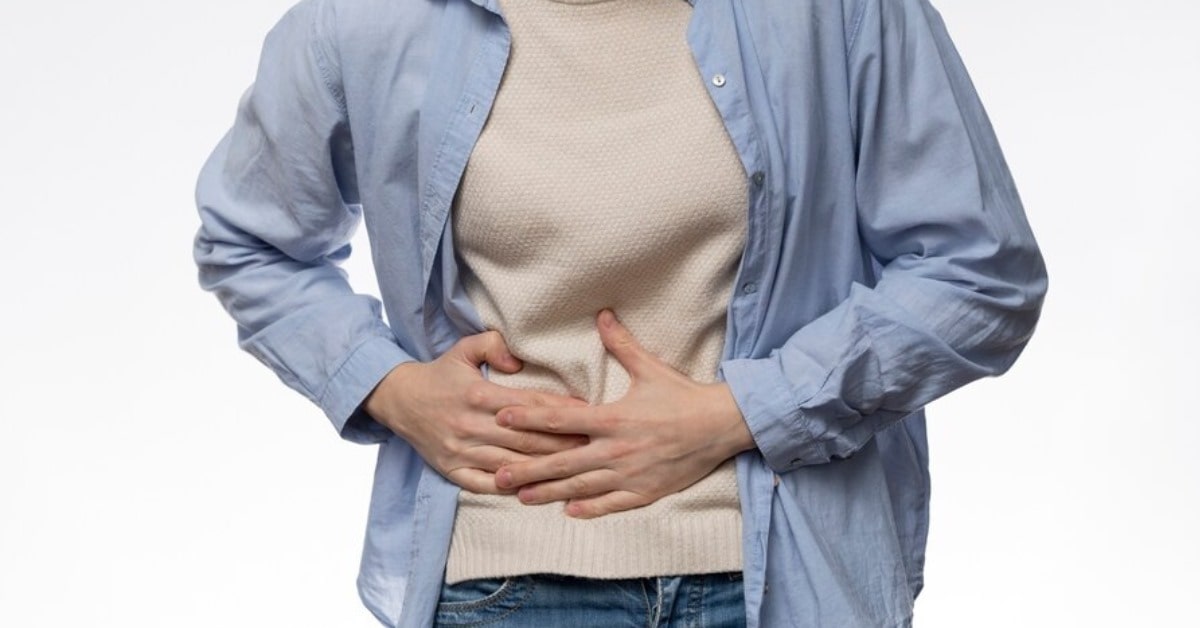
  • हर्निया के लक्षण पहचानें और समय पर इलाज करवाएं

    हर्निया के लक्षण पहचानें और समय पर इलाज करवाएं

    हर्निया एक ऐसी स्थिति है जिसमें अंग या ऊतक शरीर की मांसपेशियों या ऊतक की दीवार के माध्यम से बाहर निकल जाते हैं। यह अक्सर पेट के क्षेत्र में होता है, लेकिन यह शरीर के अन्य हिस्सों में भी हो सकता है। हर्निया की पहचान करना और समय पर इलाज करवाना बेहद जरूरी है, क्योंकि अगर इसे अनदेखा किया जाए तो इससे गंभीर स्वास्थ्य समस्याएं हो सकती हैं।

    हर्निया के सामान्य लक्षण

    1. दर्द और असुविधा: हर्निया के सबसे आम लक्षणों में दर्द और असुविधा शामिल हैं, खासकर उस क्षेत्र में जहां हर्निया हो रहा है। यह दर्द हल्का से लेकर तीव्र तक हो सकता है, और शारीरिक गतिविधि जैसे उठना, बैठना या भारी चीज़ें उठाने से बढ़ सकता है।
    2. सूजन या गांठ: हर्निया की जगह पर सूजन या एक गांठ दिख सकती है। यह आमतौर पर पेट के निचले हिस्से, कमर, या जांघों में दिखाई देती है। इस गांठ को दबाने पर यह अक्सर नर्म महसूस होती है।
    3. मतली और उल्टी: यदि हर्निया गंभीर रूप से बढ़ गया है, तो यह आंतों को अवरुद्ध कर सकता है, जिसके परिणामस्वरूप मतली और उल्टी हो सकती है। यदि ये लक्षण होते हैं, तो तत्काल चिकित्सा ध्यान देने की आवश्यकता होती है।
    4. पेट में ऐंठन: पेट के क्षेत्र में लगातार ऐंठन और गैस की समस्या भी हर्निया के संकेत हो सकती है।

    समय पर इलाज क्यों जरूरी है?

    यदि हर्निया के लक्षणों को अनदेखा किया जाए तो इससे आंतों में रुकावट, रक्तस्राव या अन्य जटिलताएं हो सकती हैं। इसके इलाज में सर्जरी का विकल्प सबसे प्रभावी होता है, जिसमें हर्निया को वापस अंदर डाला जाता है और मांसपेशियों की दीवार को मजबूत किया जाता है।

    इंदौर में हर्निया की सर्जरी

    यदि आप हर्निया के लक्षण महसूस कर रहे हैं, तो जल्द से जल्द विशेषज्ञ से सलाह लें। इंदौर में हर्निया की सर्जरी (Hernia Surgery in Indore) अत्याधुनिक तकनीकों और अनुभवपूर्ण डॉक्टरों द्वारा की जाती है। इस सर्जरी से आप जल्द ही राहत पा सकते हैं और अपने सामान्य जीवन में वापस लौट सकते हैं।

    समय पर इलाज से न केवल आप हर्निया के दर्द से छुटकारा पा सकते हैं, बल्कि जटिलताओं से भी बच सकते हैं। इसलिए, यदि आपको हर्निया के लक्षण दिखें, तो तुरंत चिकित्सक से संपर्क करें।

  • Can Diet Help with Hernia Pain? Foods to Consider

    Can Diet Help with Hernia Pain? Foods to Consider

    Hernias occur when an internal organ or tissue protrudes through a weak spot in the abdominal wall. Common types include inguinal, hiatal, and umbilical hernias. While surgery is often required for definitive treatment, managing hernia pain and discomfort through diet can complement medical care. Here’s how dietary choices can influence hernia pain and the foods to consider, especially when seeking hernia treatment in Indore.

    1. Fiber-Rich Foods

    A diet high in fiber can help prevent constipation, which is crucial for those with hernias. Constipation can increase intra-abdominal pressure, exacerbating hernia symptoms. Foods such as whole grains, fruits, vegetables, and legumes are excellent sources of fiber. For example, oats, apples, and beans can aid in maintaining regular bowel movements and reducing strain during defecation.

    2. Lean Proteins

    Incorporating lean proteins can aid in maintaining muscle mass and supporting the repair of tissues. Opt for skinless poultry, fish, tofu, and legumes. These protein sources are less likely to contribute to weight gain, which can otherwise put additional pressure on the hernia and worsen symptoms.

    3. Healthy Fats

    Healthy fats, found in foods like avocados, nuts, and olive oil, can help reduce inflammation and support overall health. Avoid trans fats and excessive saturated fats, which can lead to weight gain and increase abdominal pressure. Including sources of omega-3 fatty acids, such as fatty fish or flaxseeds, can be beneficial for reducing inflammation.

    4. Avoiding Irritants

    Certain foods and beverages can exacerbate hernia symptoms, particularly if you have a hiatal hernia. Spicy foods, caffeine, and alcohol can irritate the esophagus and worsen acid reflux, leading to increased discomfort. It’s advisable to limit these irritants and choose milder, non-acidic foods to ease symptoms.

    5. Hydration

    Staying well-hydrated is essential for overall health and can aid in preventing constipation. Drinking adequate water throughout the day helps maintain digestive health and can prevent the strain that exacerbates hernia pain. Aim for at least 8 cups of water daily, and adjust based on individual needs and activity levels.

    6. Smaller, Frequent Meals

    Eating smaller, more frequent meals rather than large ones can help reduce abdominal pressure and discomfort. This approach is particularly helpful for individuals with hiatal hernias, as it can minimize acid reflux and associated pain. Focus on balanced meals that include a mix of lean proteins, fiber, and healthy fats.

    While diet alone cannot cure a hernia, it can play a significant role in managing pain and preventing complications. Incorporating fiber-rich foods, lean proteins, healthy fats, and staying hydrated can help alleviate symptoms and support overall well-being. For comprehensive care and hernia treatment in Indore, consult with Dr. Muffazzal Rassiwala to create a tailored plan that includes dietary adjustments and medical intervention.