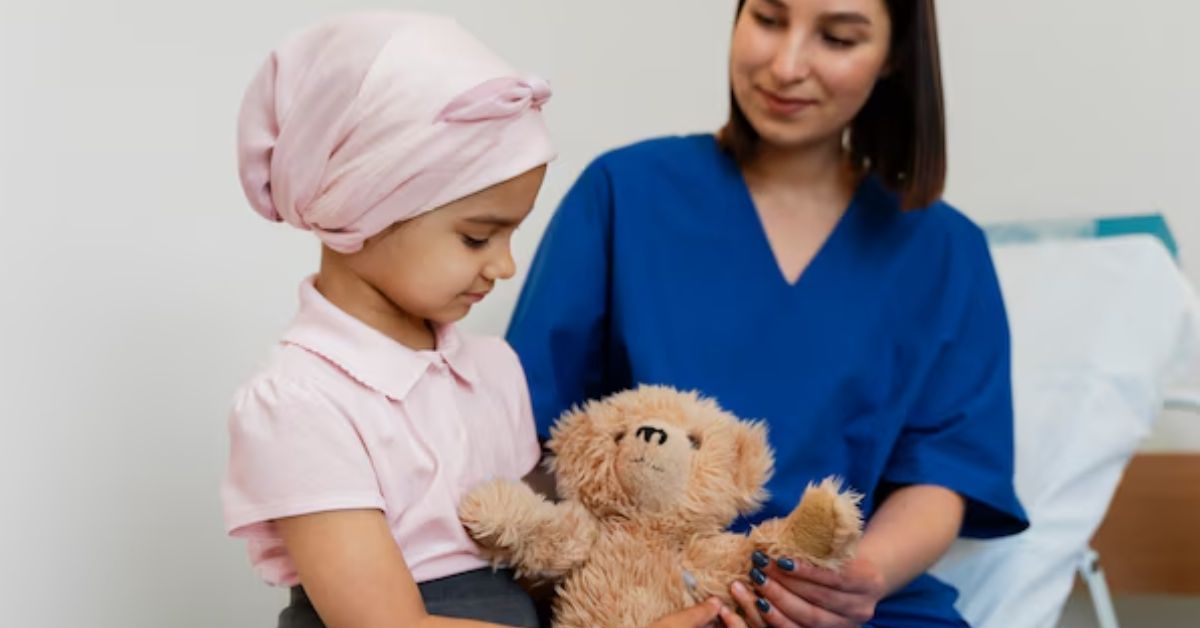
Children are most frequently affected by neuroblastoma, a kind of cancer that starts in the nerve tissue. Although it can grow along the spine, neck, chest, or pelvis, it mainly affects the adrenal glands. Early identification and the appropriate treatment strategy are essential to increase the likelihood of a successful recovery. Even though neuroblastoma is uncommon, it can be aggressive, so parents and caregivers must be aware of its symptoms, diagnosis, and available treatments. An examination of the ailment and its treatment is provided here.
Neuroblastoma: What is it?
A cancer that begins in the nerve cells, neuroblastoma frequently affects young children. The adrenal glands, which are located above the kidneys and provide hormones that control several bodily processes, are typically where this kind of cancer starts. But nerve tissue throughout the spine, neck, chest, or pelvis can also be the site of neuroblastoma’s initiation. The location of the tumor determines the symptoms of neuroblastoma. Depending on where it is, it may result in discomfort, swelling, or even interfere with normal body processes like bowel motions.
Identification and the Value of Early Detection
Doctors usually use imaging scans (such as CT or MRI), blood tests, and occasionally a biopsy to confirm the presence of malignant cells to diagnose neuroblastoma. Since neuroblastoma typically affects highly young children, parents must be vigilant about any lingering or inexplicable symptoms. The diagnosis and confirmation of the illness are accomplished by pediatric oncologists, following which the treatment procedure starts.
Options for Neuroblastoma Treatment
The size, location, and general health of the kid all influence the treatment strategy for neuroblastoma. Radiation therapy, chemotherapy, surgery, and, occasionally, stem cell therapy is used in conjunction with treatment.
Operation
The initial line of treatment for neuroblastoma is frequently surgery. Removing as much of the tumor as feasible is the aim. Surgery can often considerably shrink the tumor, increasing the efficacy of subsequent therapies.
Chemotherapy
Chemotherapy kills cancer cells by using powerful medications. It is frequently used to reduce the tumor and eradicate any cancer cells that may still be present before and after surgery. It is crucial to have continuous medical assistance since this treatment can be pretty intense, and children receiving chemotherapy may have adverse effects.
Radiation Treatment
Another alternative is radiation therapy, mainly if physically removing the tumor is challenging. It targets and destroys cancer cells using high-energy photons. Radiation therapy may be combined with other therapies to get the most significant outcomes, depending on the tumor’s location.
Transplanting Stem Cells
High doses of chemotherapy can occasionally harm the bone marrow, which makes blood cells. Doctors may suggest a stem cell transplant to help restore bone marrow function. During this process, healthy cells from the child’s body or a donor replace the damaged marrow.
Support and Treatment for Neuroblastoma
A group of skilled pediatric oncologists, surgeons, and other professionals must work together to develop a customized care plan to neuroblastoma treatment in Indore. To provide the kid with complete care for both the cancer and its side effects, the medical specialists walk families through each step of the treatment procedure. During the challenging course of treatment, healthcare personnel can also provide the kid and family with emotional and psychological support.
Towards the Future: The Path to Healing
Even though neuroblastoma may be a complex illness, many kids can recover and have healthy, happy lives if they receive the proper diagnosis and treatment. Neuroblastoma treatment in Indore provides a holistic strategy that helps families get through this trying period by providing a robust network of care and support in addition to medical intervention.
Treatments for neuroblastoma are getting better thanks to continuous research and improvements in medical care, which gives optimism for improved results. Parents should collaborate closely with their child’s medical team to ensure that every treatment option is taken into account and that the kid gets the best care possible.