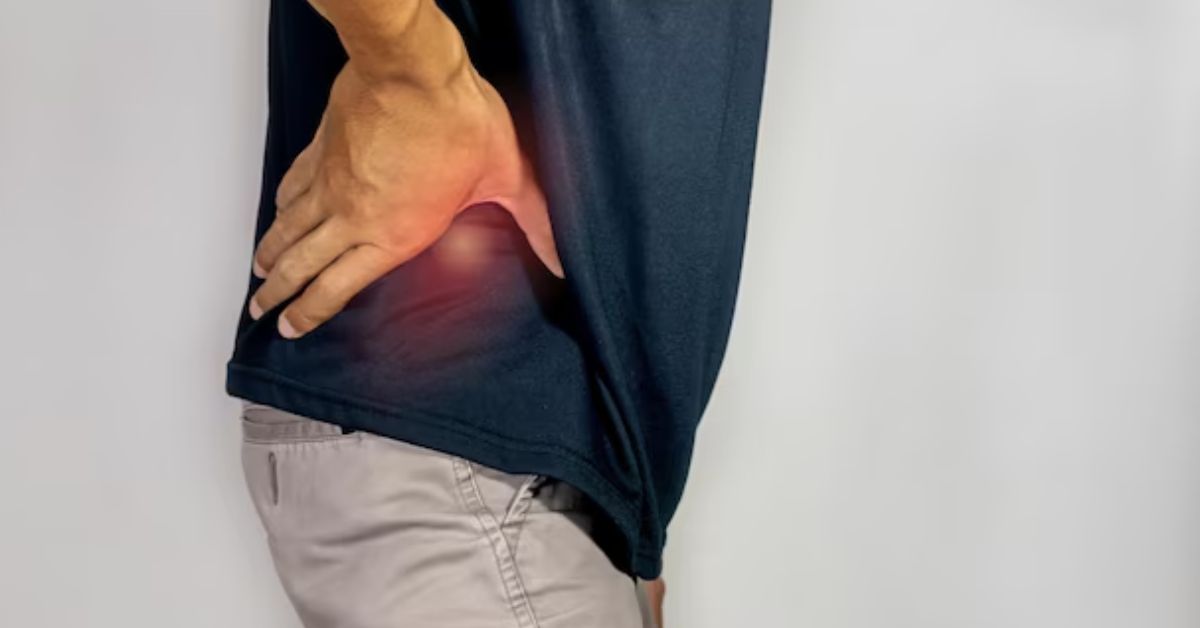
Tag: hernia treatment & surgery in indore

  • When Should You Consider Hernia Surgery? Key Signs to Watch For

    When Should You Consider Hernia Surgery? Key Signs to Watch For

    Hernias are a common medical condition that occurs when part of an organ or tissue pushes through a weak spot in the muscle or surrounding tissue. While many hernias are not immediately dangerous, they can cause discomfort and lead to serious complications if left untreated. In some cases, hernia surgery may be necessary to repair the condition and prevent further health issues. But how do you know when it’s time to consider hernia surgery? Let’s explore the key signs that indicate surgery may be needed.

    1. Pain or Discomfort

    One of the most common reasons for considering hernia surgery is persistent pain or discomfort. Hernias can cause a dull ache or sharp pain, particularly when you’re lifting heavy objects, coughing, or even while standing for long periods. If the pain interferes with your daily activities or worsens over time, it may be time to consult a healthcare provider. In such cases, hernia surgery in Indore can help alleviate the pain by repairing the hernia and preventing it from causing further complications.

    2. A Noticeable Bulge

    A visible bulge in the abdomen or groin is often a key sign of a hernia. This bulge occurs when a part of the intestine or fatty tissue pushes through the abdominal wall. While it may not always be painful, the bulge is a clear indication that the hernia is present. If the bulge gets larger or more prominent, it can signal that the hernia is worsening. Surgery may be required to prevent it from becoming a bigger issue.

    3. Nausea and Vomiting

    Nausea and vomiting are concerning signs that could indicate a more serious problem, such as strangulation, which occurs when the hernia blocks blood flow to the tissue or organ. This is a medical emergency and requires immediate attention. If you experience these symptoms alongside your hernia, it’s important to seek prompt medical care. In such cases, hernia surgery in Indore is often the best course of action to relieve the obstruction and prevent damage to the tissue.

    4. Difficulty with Daily Activities

    If your hernia makes it difficult to perform daily tasks—like bending over, lifting, or even walking—it’s time to consult a doctor. When a hernia interferes with your ability to lead a normal life, surgery can restore comfort and mobility. A surgeon will evaluate your condition and may recommend surgery to improve your quality of life.

    5. The Hernia Is Getting Larger

    Hernias tend to worsen over time. If your hernia is growing in size, it means the opening in your abdominal wall is becoming larger, and the risk of complications increases. Surgery is often the most effective way to prevent the hernia from growing further and causing more damage to the surrounding tissue.

    If you’re experiencing any of these symptoms, it’s important to consult with a healthcare provider to determine whether hernia surgery in Indore is necessary. Surgery can provide relief from pain, prevent complications, and restore your ability to perform daily activities. Don’t wait for the condition to worsen—early intervention can lead to a smoother recovery and better long-term health outcomes.


  • Foods to Avoid If You Have Hernia Pain

    Foods to Avoid If You Have Hernia Pain

    Hernia occurs when an organ or tissue pushes through a weak spot in the muscle or connective tissue that holds it in place. This condition can cause discomfort or pain, and diet plays a significant role in managing the symptoms. Certain foods can exacerbate hernia pain, causing increased pressure on the abdominal area, making symptoms worse. If you are dealing with a hernia, it is essential to know which foods to avoid. Consulting a professional for hernia treatment in Indore can help you manage the condition better.

    1. Spicy Foods

    Spicy foods, such as hot peppers, curries, and spicy sauces, can irritate the digestive system, increasing the risk of acid reflux and heartburn. These conditions can worsen symptoms of a hernia, particularly hiatal hernias, where the stomach bulges through the diaphragm.

    2. Fatty Foods

    High-fat foods, including fried foods, fatty cuts of meat, and processed snacks, can delay digestion and increase bloating. This may put added pressure on the hernia, leading to more discomfort. It is advisable to limit your intake of these foods to avoid exacerbating pain.

    3. Citrus Fruits

    Citrus fruits such as oranges, lemons, and grapefruits are highly acidic. These fruits can irritate the lining of the stomach and trigger heartburn, a condition that worsens with certain types of hernias. Consider avoiding citrus fruits if you experience frequent acid reflux.

    4. Carbonated Beverages

    Carbonated drinks, including sodas and sparkling water, can cause bloating and excessive gas. The build-up of gas in the stomach increases pressure in the abdominal cavity, which can aggravate hernia symptoms. It is better to opt for non-carbonated drinks like herbal teas.

    5. Dairy Products

    Full-fat dairy products like whole milk, cheese, and cream can be difficult to digest and may lead to bloating and discomfort. If you experience hernia pain, it may be helpful to reduce your intake of such foods.

    For proper hernia management and to avoid complications, make dietary adjustments and seek professional advice. A healthcare expert offering hernia treatment in Indore can guide you on the best foods and lifestyle choices for your specific condition.

  • Signs You Might Have an Umbilical Hernia

    Signs You Might Have an Umbilical Hernia

    An umbilical hernia happens when part of the intestine or fatty tissue bulges through the abdominal wall near the belly button. While it is most common in infants, adults can also develop this condition. Early recognition of the signs of an umbilical hernia is essential for prompt medical attention. If you notice any symptoms, it’s important to consult a doctor. Seeking umbilical hernia surgery in Indore at the right time can prevent complications and ensure effective treatment. Below are some common signs that you might have an umbilical hernia.

    1. Visible Lump Near the Belly Button

    • The most obvious sign of an umbilical hernia is a small, visible lump or bulge near the belly button. This lump may appear when you cough, laugh, or strain, and it might reduce or disappear when you relax or lie down.

    2. Pain or Tenderness

    • While an umbilical hernia is often painless, some individuals may experience discomfort, pain, or tenderness around the belly button, especially when lifting heavy objects, bending over, or engaging in physical activities.

    3. Swelling or Enlarged Bulge

    • In some cases, the bulge might become more pronounced over time, especially with physical strain or excessive abdominal pressure. This is a sign that the hernia could be worsening and might need attention.

    4. Constipation or Digestive Issues

    • Occasionally, if part of the intestine is trapped in the hernia sac, it can cause digestive problems such as constipation or bloating. In rare cases, the hernia might cause more severe symptoms, including nausea or vomiting.

    5. Increased Pain and Inability to Push the Bulge Back

    • If the hernia becomes incarcerated or strangulated (where the blood supply to the tissue is cut off), the pain becomes severe, and the bulge may become firm and cannot be pushed back. This situation requires immediate medical intervention.

    When to Seek Medical Help

    If you notice any of these signs, it’s essential to consult a healthcare professional. While many umbilical hernias are harmless, some may require surgery. Umbilical hernia surgery in Indore is a straightforward procedure performed by experienced surgeons to repair the hernia and prevent complications. Surgery is typically recommended when the hernia causes discomfort or if it is at risk of becoming strangulated.

    Early detection and prompt treatment can help avoid complications and ensure a quicker recovery. If you suspect you have an umbilical hernia, reach out to your healthcare provider to discuss your options.

  • हर्निया के लक्षण पहचानें और समय पर इलाज करवाएं

    हर्निया के लक्षण पहचानें और समय पर इलाज करवाएं

    हर्निया एक ऐसी स्थिति है जिसमें अंग या ऊतक शरीर की मांसपेशियों या ऊतक की दीवार के माध्यम से बाहर निकल जाते हैं। यह अक्सर पेट के क्षेत्र में होता है, लेकिन यह शरीर के अन्य हिस्सों में भी हो सकता है। हर्निया की पहचान करना और समय पर इलाज करवाना बेहद जरूरी है, क्योंकि अगर इसे अनदेखा किया जाए तो इससे गंभीर स्वास्थ्य समस्याएं हो सकती हैं।

    हर्निया के सामान्य लक्षण

    1. दर्द और असुविधा: हर्निया के सबसे आम लक्षणों में दर्द और असुविधा शामिल हैं, खासकर उस क्षेत्र में जहां हर्निया हो रहा है। यह दर्द हल्का से लेकर तीव्र तक हो सकता है, और शारीरिक गतिविधि जैसे उठना, बैठना या भारी चीज़ें उठाने से बढ़ सकता है।
    2. सूजन या गांठ: हर्निया की जगह पर सूजन या एक गांठ दिख सकती है। यह आमतौर पर पेट के निचले हिस्से, कमर, या जांघों में दिखाई देती है। इस गांठ को दबाने पर यह अक्सर नर्म महसूस होती है।
    3. मतली और उल्टी: यदि हर्निया गंभीर रूप से बढ़ गया है, तो यह आंतों को अवरुद्ध कर सकता है, जिसके परिणामस्वरूप मतली और उल्टी हो सकती है। यदि ये लक्षण होते हैं, तो तत्काल चिकित्सा ध्यान देने की आवश्यकता होती है।
    4. पेट में ऐंठन: पेट के क्षेत्र में लगातार ऐंठन और गैस की समस्या भी हर्निया के संकेत हो सकती है।

    समय पर इलाज क्यों जरूरी है?

    यदि हर्निया के लक्षणों को अनदेखा किया जाए तो इससे आंतों में रुकावट, रक्तस्राव या अन्य जटिलताएं हो सकती हैं। इसके इलाज में सर्जरी का विकल्प सबसे प्रभावी होता है, जिसमें हर्निया को वापस अंदर डाला जाता है और मांसपेशियों की दीवार को मजबूत किया जाता है।

    इंदौर में हर्निया की सर्जरी

    यदि आप हर्निया के लक्षण महसूस कर रहे हैं, तो जल्द से जल्द विशेषज्ञ से सलाह लें। इंदौर में हर्निया की सर्जरी (Hernia Surgery in Indore) अत्याधुनिक तकनीकों और अनुभवपूर्ण डॉक्टरों द्वारा की जाती है। इस सर्जरी से आप जल्द ही राहत पा सकते हैं और अपने सामान्य जीवन में वापस लौट सकते हैं।

    समय पर इलाज से न केवल आप हर्निया के दर्द से छुटकारा पा सकते हैं, बल्कि जटिलताओं से भी बच सकते हैं। इसलिए, यदि आपको हर्निया के लक्षण दिखें, तो तुरंत चिकित्सक से संपर्क करें।