Tag: hernia specialist in indore

  • When Strain Signals a Need to See a Hernia Specialist Doctor

    When Strain Signals a Need to See a Hernia Specialist Doctor

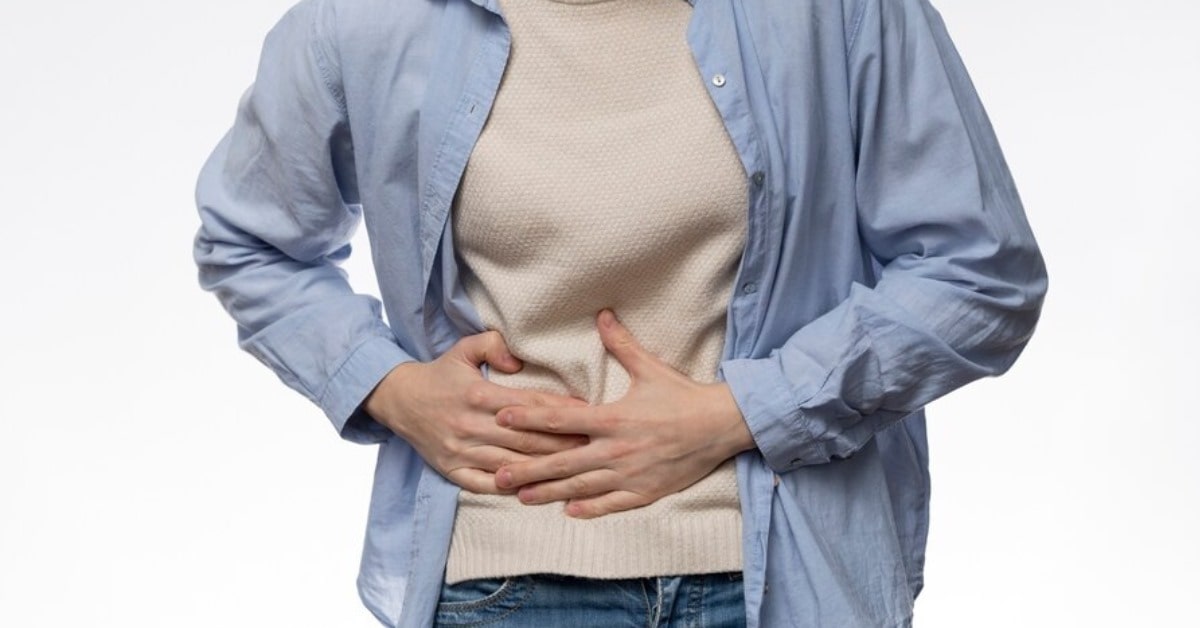
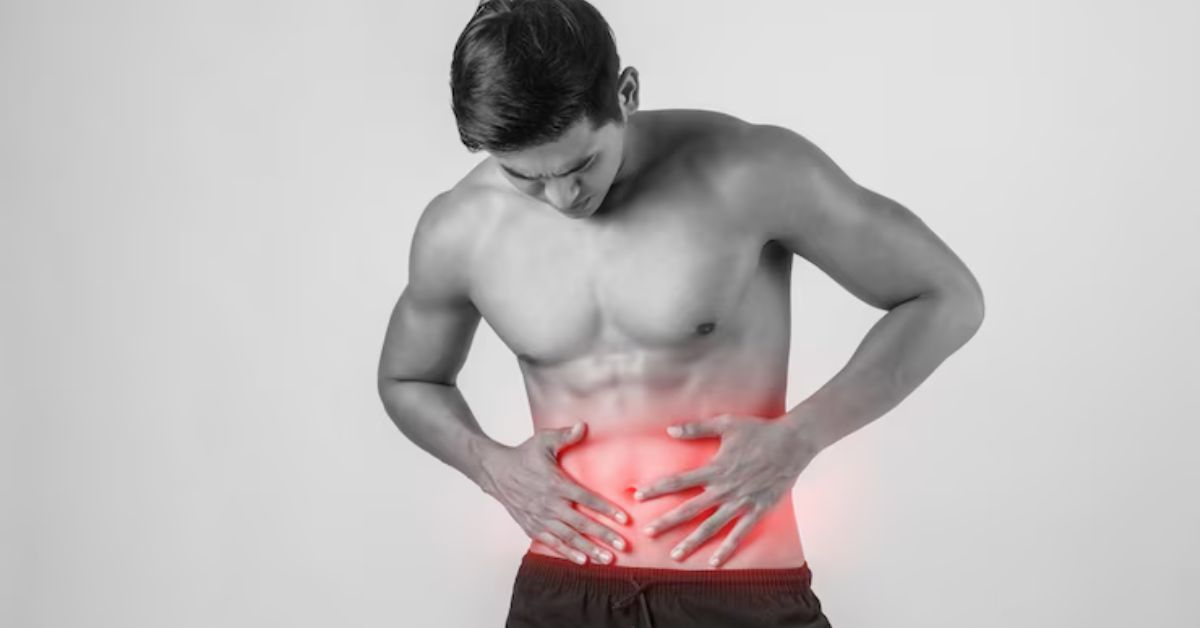
    Signs like a dull soreness, a noticeable protrusion, or discomfort while lifting are frequently ignored or dismissed as trivial. They could, however, indicate a hernia, which is more serious. Untreated hernias can eventually become unpleasant and even hazardous, even though many people dismiss them as a simple muscular strain. For this reason, prompt medical care is essential. You can avoid problems and get long-lasting comfort with an early diagnosis and consultation with a skilled hernia specialist doctor in Indore.

    Realising the Significance of a Hernia 

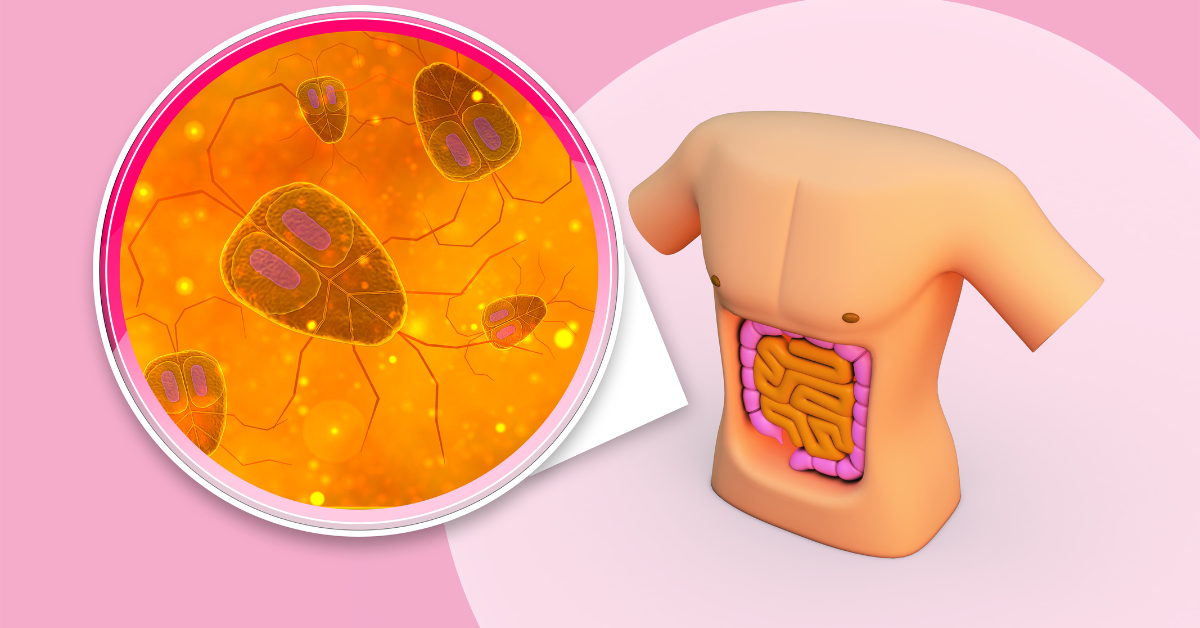
    A hernia happens when a tissue or organ inside the body pushes through a weak point in the surrounding tissue wall or muscle. Although it can occur in several body areas, the abdomen or groin is the most frequently affected. Hernias seldom go better on their own without treatment; if left untreated, they might worsen. 

    Several kinds exist: 

    • Inguinal hernia: Men frequently get inguinal hernias, which are located in the groin area. 
    • Umbilical hernia: is often observed close to the navel 
    • Hiatal hernia:  A portion of the stomach presses into the chest in a hiatal hernia. 
    • Incisional hernia: Following surgery, an incisional hernia may develop. 

    You may avoid suffering in silence or running the danger of developing more significant health problems later on by identifying them early and getting in touch with a hernia specialist doctor in Indore. 

    When Surgery is the Best Choice for Your Health 

    While many hernias eventually require surgery, not all do so immediately. Today, laparoscopic operations are the primary approach for hernia surgery, which is far less invasive than it was in the past. These enable less discomfort, less scarring, and a speedier recovery. 

    Here are some situations where surgery could be advised: 

    • Persistent pain or discomfort 
    • An expanding hernia 
    • Limited mobility or activity 
    • Obstruction of the bowel or other issues 
    • Limitations in lifestyle due to pain from hernias 

    In addition to assisting with tissue repair, a knowledgeable hernia surgeon will help you avoid recurrence and ensure a speedy recovery. 

    Paying attention to what your body tells you is key to good health. Although a hernia may appear minor, it can cause more serious issues if ignored. Speaking with a reputable hernia doctor in Indore can significantly improve your everyday comfort and independence and resolve the problem. It could be time to treat your health how it needs to be treated before discomfort becomes a disturbance, if you have been putting off that checkup. 

  • हर्निया के लक्षण पहचानें और समय पर इलाज करवाएं

    हर्निया के लक्षण पहचानें और समय पर इलाज करवाएं

    हर्निया एक ऐसी स्थिति है जिसमें अंग या ऊतक शरीर की मांसपेशियों या ऊतक की दीवार के माध्यम से बाहर निकल जाते हैं। यह अक्सर पेट के क्षेत्र में होता है, लेकिन यह शरीर के अन्य हिस्सों में भी हो सकता है। हर्निया की पहचान करना और समय पर इलाज करवाना बेहद जरूरी है, क्योंकि अगर इसे अनदेखा किया जाए तो इससे गंभीर स्वास्थ्य समस्याएं हो सकती हैं।

    हर्निया के सामान्य लक्षण

    1. दर्द और असुविधा: हर्निया के सबसे आम लक्षणों में दर्द और असुविधा शामिल हैं, खासकर उस क्षेत्र में जहां हर्निया हो रहा है। यह दर्द हल्का से लेकर तीव्र तक हो सकता है, और शारीरिक गतिविधि जैसे उठना, बैठना या भारी चीज़ें उठाने से बढ़ सकता है।
    2. सूजन या गांठ: हर्निया की जगह पर सूजन या एक गांठ दिख सकती है। यह आमतौर पर पेट के निचले हिस्से, कमर, या जांघों में दिखाई देती है। इस गांठ को दबाने पर यह अक्सर नर्म महसूस होती है।
    3. मतली और उल्टी: यदि हर्निया गंभीर रूप से बढ़ गया है, तो यह आंतों को अवरुद्ध कर सकता है, जिसके परिणामस्वरूप मतली और उल्टी हो सकती है। यदि ये लक्षण होते हैं, तो तत्काल चिकित्सा ध्यान देने की आवश्यकता होती है।
    4. पेट में ऐंठन: पेट के क्षेत्र में लगातार ऐंठन और गैस की समस्या भी हर्निया के संकेत हो सकती है।

    समय पर इलाज क्यों जरूरी है?

    यदि हर्निया के लक्षणों को अनदेखा किया जाए तो इससे आंतों में रुकावट, रक्तस्राव या अन्य जटिलताएं हो सकती हैं। इसके इलाज में सर्जरी का विकल्प सबसे प्रभावी होता है, जिसमें हर्निया को वापस अंदर डाला जाता है और मांसपेशियों की दीवार को मजबूत किया जाता है।

    इंदौर में हर्निया की सर्जरी

    यदि आप हर्निया के लक्षण महसूस कर रहे हैं, तो जल्द से जल्द विशेषज्ञ से सलाह लें। इंदौर में हर्निया की सर्जरी (Hernia Surgery in Indore) अत्याधुनिक तकनीकों और अनुभवपूर्ण डॉक्टरों द्वारा की जाती है। इस सर्जरी से आप जल्द ही राहत पा सकते हैं और अपने सामान्य जीवन में वापस लौट सकते हैं।

    समय पर इलाज से न केवल आप हर्निया के दर्द से छुटकारा पा सकते हैं, बल्कि जटिलताओं से भी बच सकते हैं। इसलिए, यदि आपको हर्निया के लक्षण दिखें, तो तुरंत चिकित्सक से संपर्क करें।

  • Can Diet Help with Hernia Pain? Foods to Consider

    Can Diet Help with Hernia Pain? Foods to Consider

    Hernias occur when an internal organ or tissue protrudes through a weak spot in the abdominal wall. Common types include inguinal, hiatal, and umbilical hernias. While surgery is often required for definitive treatment, managing hernia pain and discomfort through diet can complement medical care. Here’s how dietary choices can influence hernia pain and the foods to consider, especially when seeking hernia treatment in Indore.

    1. Fiber-Rich Foods

    A diet high in fiber can help prevent constipation, which is crucial for those with hernias. Constipation can increase intra-abdominal pressure, exacerbating hernia symptoms. Foods such as whole grains, fruits, vegetables, and legumes are excellent sources of fiber. For example, oats, apples, and beans can aid in maintaining regular bowel movements and reducing strain during defecation.

    2. Lean Proteins

    Incorporating lean proteins can aid in maintaining muscle mass and supporting the repair of tissues. Opt for skinless poultry, fish, tofu, and legumes. These protein sources are less likely to contribute to weight gain, which can otherwise put additional pressure on the hernia and worsen symptoms.

    3. Healthy Fats

    Healthy fats, found in foods like avocados, nuts, and olive oil, can help reduce inflammation and support overall health. Avoid trans fats and excessive saturated fats, which can lead to weight gain and increase abdominal pressure. Including sources of omega-3 fatty acids, such as fatty fish or flaxseeds, can be beneficial for reducing inflammation.

    4. Avoiding Irritants

    Certain foods and beverages can exacerbate hernia symptoms, particularly if you have a hiatal hernia. Spicy foods, caffeine, and alcohol can irritate the esophagus and worsen acid reflux, leading to increased discomfort. It’s advisable to limit these irritants and choose milder, non-acidic foods to ease symptoms.

    5. Hydration

    Staying well-hydrated is essential for overall health and can aid in preventing constipation. Drinking adequate water throughout the day helps maintain digestive health and can prevent the strain that exacerbates hernia pain. Aim for at least 8 cups of water daily, and adjust based on individual needs and activity levels.

    6. Smaller, Frequent Meals

    Eating smaller, more frequent meals rather than large ones can help reduce abdominal pressure and discomfort. This approach is particularly helpful for individuals with hiatal hernias, as it can minimize acid reflux and associated pain. Focus on balanced meals that include a mix of lean proteins, fiber, and healthy fats.

    While diet alone cannot cure a hernia, it can play a significant role in managing pain and preventing complications. Incorporating fiber-rich foods, lean proteins, healthy fats, and staying hydrated can help alleviate symptoms and support overall well-being. For comprehensive care and hernia treatment in Indore, consult with Dr. Muffazzal Rassiwala to create a tailored plan that includes dietary adjustments and medical intervention.

  • Effective Umbilical Hernia Treatments

    An umbilical hernia, characterized by a bulge near the belly button, can be both uncomfortable and concerning. Fortunately, effective umbilical hernia treatment options are available to help you regain comfort and well-being.

    1. Understanding Umbilical Hernias: An umbilical hernia occurs when a portion of the intestine or other tissue pushes through the abdominal wall near the belly button. This condition is often noticeable as a soft, protruding lump and can cause discomfort, especially when coughing, lifting heavy objects, or during physical activity.

    2. Non-Surgical Treatments: For some individuals, especially those with small hernias or minimal symptoms, non-surgical approaches may be effective:

    Lifestyle Modifications: Managing weight and avoiding activities that increase abdominal pressure can help reduce symptoms.

    Supportive Garments: Wearing a hernia belt or truss can provide temporary relief by supporting the area and preventing the hernia from protruding further.

    3. Surgical Options: Surgery is often the most definitive solution for an umbilical hernia, particularly if the hernia causes significant pain or complications. There are two primary surgical approaches:

    Open Surgery: This traditional method involves making an incision near the hernia to repair the abdominal wall and reposition the protruding tissue.

    Laparoscopic Surgery: A minimally invasive technique that uses small incisions and a camera to guide the repair. This method typically results in less pain, shorter recovery times, and minimal scarring.

    4. Benefits of Treatment: Effective umbilical hernia treatment can:

    Relieve Pain and Discomfort: Both non-surgical and surgical treatments can alleviate the discomfort associated with an umbilical hernia.

    Prevent Complications: Timely treatment reduces the risk of complications such as incarceration or strangulation, which can lead to severe pain and require emergency care.

    Improve Quality of Life: Addressing the hernia allows you to return to normal activities and improve your overall well-being.

    Consult with a specialist umbilical hernia treatment in Indore to explore the best treatment options for your situation. Effective umbilical hernia treatment can provide lasting relief and help you get back to feeling your best.

  • Benefits of Incisional Hernia Treatment: Why Prompt Action Matters

    Benefits of Incisional Hernia Treatment: Why Prompt Action Matters

    Benefits of Incisional Hernia Treatment:

    Dealing with an incisional hernia can be a challenging experience, but effective treatment offers numerous benefits that can significantly enhance your quality of life.

    1. Alleviation of Pain and Discomfort: One of the primary benefits of treating an incisional hernia is the significant reduction in pain and discomfort. Untreated hernias can cause persistent, sharp pain that worsens with movement or strain. Treatment options, whether surgical or non-surgical, aim to relieve this pain, allowing you to return to daily activities without discomfort.

    2. Prevention of Complications: Prompt treatment of an incisional hernia helps prevent serious complications. Untreated hernias can lead to complications such as incarceration or strangulation, where the herniated tissue becomes trapped and its blood supply is cut off. This can result in more severe pain and require emergency intervention. Effective treatment reduces the risk of these serious outcomes.

    3. Restoration of Functions and Mobility: In addition to alleviating pain, incisional hernia treatment can restore normal function and mobility. Hernias often limit your ability to perform physical activities or exercise. By addressing the hernia, you can regain your full range of motion and return to an active, healthy lifestyle.

    4. Improved Aesthetic Outcomes: For many, an incisional hernia treatment in Indore may be visible and affect their self-esteem. Treatment, particularly surgical repair, can improve the appearance of the affected area by closing the hernia and reducing bulging, leading to better cosmetic results and increased confidence.

    5. Long-Term Relief: Surgical treatment for incisional hernias, such as hernia repair surgery, offers long-term relief and significantly lowers the chance of recurrence. Advances in minimally invasive techniques mean that recovery times are shorter, and patients can resume normal activities more quickly.

    Consult with a specialist to explore your options and discover the benefits of an effective incisional hernia, ensuring a healthier, more comfortable future.

  • Managing Hernias with Lifestyle Changes: Tips and Tricks

    Managing Hernias with Lifestyle Changes: Tips and Tricks

    Hernias can be a challenging condition, but adopting the right lifestyle changes can make a significant difference in managing symptoms and preventing complications. Incorporating these practical tips into your daily routine can complement your medical care and enhance your quality of life.

    1. Maintaining a Healthy Weight: Excess weight can put additional pressure on the abdominal wall, potentially worsening hernia symptoms. Focus on a balanced diet and regular exercise to achieve and maintain a healthy weight. Consult a nutritionist in Indore for personalized dietary advice that supports your weight management goals.

    2. Strengthen Core Muscles: Strengthening your core muscles can help support the abdominal wall and reduce the strain on your hernia. Incorporate exercises that target the abdominal muscles, such as pelvic tilts and gentle crunches, into your routine. Ensure you perform these exercises under professional guidance to avoid exacerbating the hernia.

    3. Avoid Heavy Lifting: Heavy lifting and straining can aggravate hernias and lead to complications. If your job or daily activities involve lifting, use proper techniques, such as bending your knees and keeping your back straight. Consider using assistive devices or seeking help with heavy tasks.

    4. Eating a High-Fiber Diet: A high-fiber diet can prevent constipation, which is crucial for managing hernia symptoms. Include plenty of fruits, vegetables, whole grains, and legumes in your meals. Drinking adequate water also helps maintain healthy digestion.

    5. Quit Smoking: Smoking can impair the healing process and contribute to complications. If you smoke, seek support to quit. Avoiding tobacco products can improve overall health and aid in hernia management.

    6. Wear Supportive Garments: Consider wearing supportive garments, such as hernia belts or abdominal binders, as recommended by your healthcare provider. This can help reduce discomfort and provide additional support to the affected areas.

    7. Regular Medical Check-ups: Regular check-ups with your healthcare provider for hernia treatment in Indore are essential for monitoring your hernia and adjusting your treatment plan as needed. Follow your doctor’s advice and report any changes in symptoms promptly.

    8. Practice Stress Management: Chronic stress can impact your overall health and exacerbate hernia symptoms. Engage in stress-reducing activities such as meditation, yoga, or deep breathing exercises to promote relaxation and well-being.

    Managing hernias effectively involves a combination of medical treatment and lifestyle changes. By adopting these tips and working closely with healthcare professionals, you can enhance your comfort and support the healing process. Embrace these lifestyle changes to live a healthier, more comfortable life while managing your hernia.

  • Role of Mesh in Hernia Repair

    Role of Mesh in Hernia Repair

    When it comes to hernia repair, mesh implants have become a cornerstone of surgical treatment, offering significant benefits but also carrying certain risks.

    What is Mesh?

    Mesh is a flexible, synthetic material used in hernia repair surgeries to provide additional support to weakened or damaged tissue. It is typically made from materials like polypropylene, which are designed to be biocompatible and integrate well with the body’s natural tissue.

    Benefits of Using Mesh

    • Enhanced Strength and Support: Mesh provides robust support to the weakened area, significantly reducing the risk of hernia recurrence. This added reinforcement helps the abdominal wall heal properly.
    • Minimally Invasive Options: Mesh can be used in laparoscopic (minimally invasive) procedures, which often result in shorter recovery times, less post-operative pain, and smaller incisions compared to traditional open surgery.
    • Reduced Risk of Recurrence: Studies have shown that mesh repair reduces the likelihood of hernia recurrence compared to non-mesh repair techniques, offering long-term stability and relief.

    Potential Risks

    • Infection: Although rare, there is a risk of infection at the mesh site. Proper surgical techniques and post-operative care can minimize this risk.
    • Mesh-Related Complications: Some patients may experience complications related to mesh, such as chronic pain or mesh migration. It’s crucial to discuss potential risks with your surgeon.
    • Adverse Reactions: In rare cases, the body may react negatively to the mesh material, leading to inflammation or other issues.

    Consulting with an experienced hernia specialist in Indore can help you understand whether mesh repair is the right choice for your condition, addressing both the benefits and risks to tailor the best treatment plan for you.