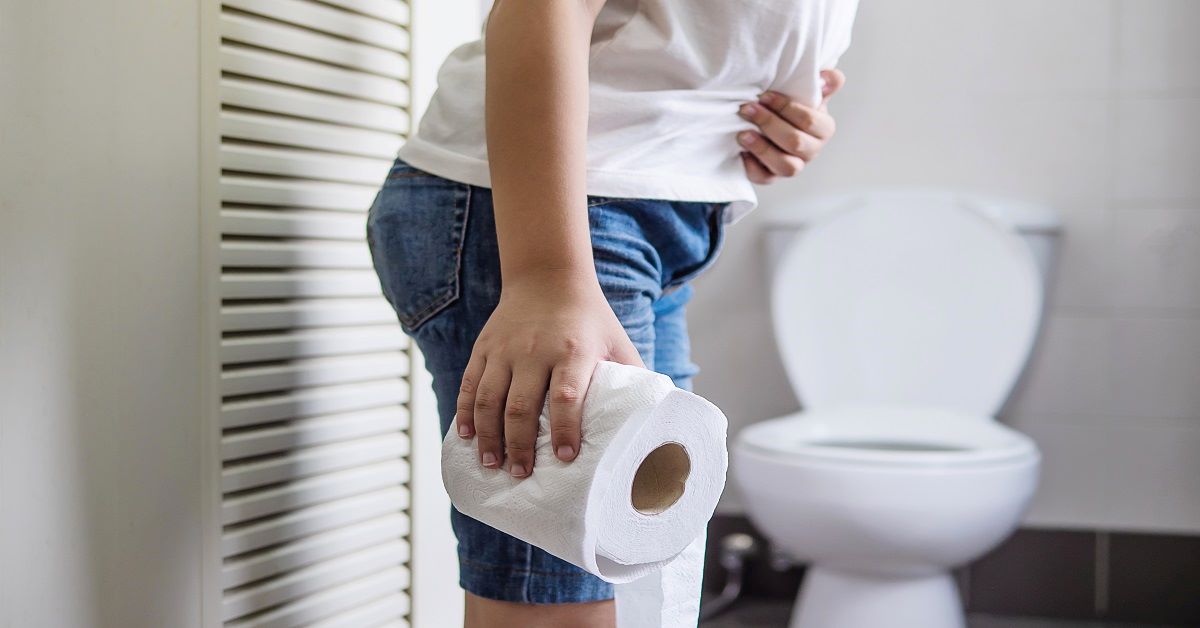
Tag: doctor for piles in indore

  • Understanding the Different Stages of Piles

    Understanding the Different Stages of Piles

    Piles, also known as hemorrhoids, affect a large portion of the population, causing discomfort and pain during everyday activities. If you’re experiencing symptoms like itching, pain, or bleeding, it’s important to understand the stages of piles and seek timely medical help. Consulting an experienced piles doctor in Indore can provide you with the right diagnosis and treatment plan.

    What Are the Stages of Piles?

    Piles progress in stages, each requiring different treatment approaches.

    Stage 1: Internal Piles

    In this stage, the hemorrhoids are located inside the rectum and usually cause mild discomfort. You may experience slight bleeding after bowel movements. Treatment at this stage typically involves dietary changes and medication to reduce swelling and improve bowel movements.

    Stage 2: Prolapsed Piles

    In this stage, the piles may prolapse outside the anus during straining but usually retract naturally. If you’re facing these symptoms, visiting a piles specialist can help manage the condition before it worsens.

    Stage 3: Prolapsed Hemorrhoids Needing Manual Intervention

    Piles remain prolapsed after bowel movements and require manual intervention to push them back inside. This stage can be painful, and conservative treatments may not be effective. A piles doctor may recommend minimally invasive procedures like rubber band ligation or sclerotherapy.

    Stage 4: External and Permanent Prolapse

    In the most severe stage, piles remain permanently prolapsed and can cause intense pain and continuous bleeding. Surgery is often the only solution at this stage, and consulting a piles specialist is crucial for fast and effective relief.

    When to Consult a Piles Doctor in Indore

    It’s essential to seek medical advice when you experience symptoms such as persistent itching, bleeding, or painful bowel movements. If you notice that the piles are protruding, whether temporarily or permanently, it’s time to consult a piles doctor in Indore. Early diagnosis and treatment can prevent the condition from worsening and reduce the need for invasive procedures. Additionally, a specialist can guide you on lifestyle changes, medications, or surgical options based on your specific stage, ensuring optimal care.
  • Daily Habits That Can Help Ease Piles Pain

    Daily Habits That Can Help Ease Piles Pain

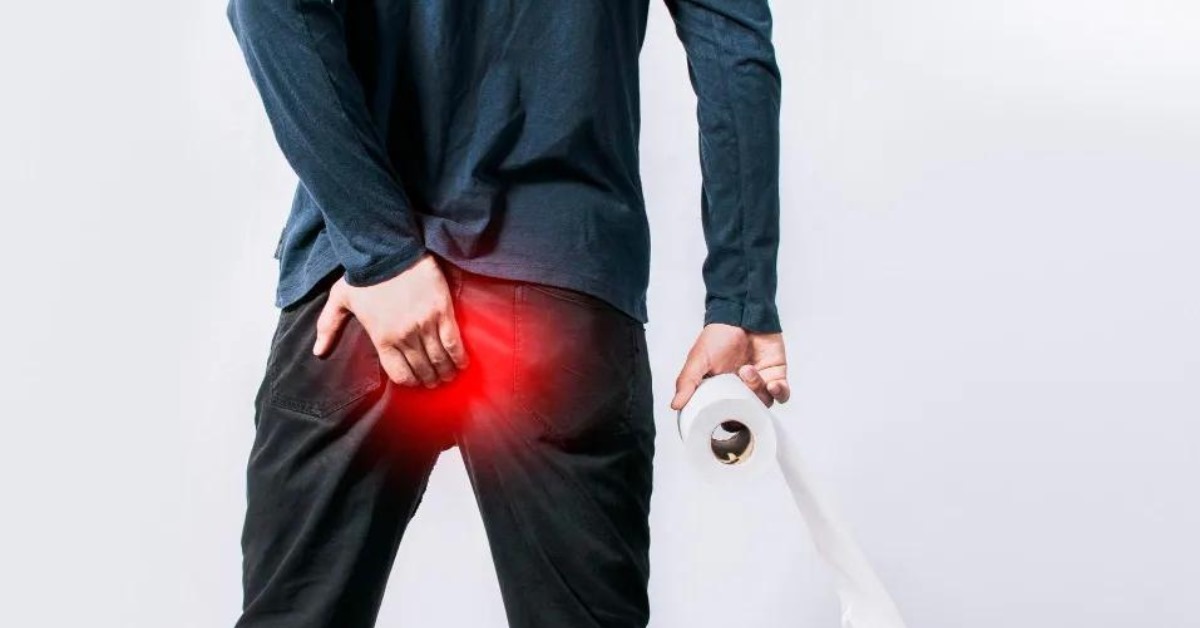
    Piles, also known as hemorrhoids, can cause significant discomfort, including pain, itching, and swelling. While medical treatment may be necessary in some cases, certain daily habits can help ease the pain and prevent flare-ups. Here are a few lifestyle changes that can make a big difference.

    1. Stay Hydrated

    Drinking enough water is one of the simplest ways to prevent constipation, a common trigger for piles. Staying hydrated keeps your stool soft, making bowel movements easier and reducing the strain on the rectal area. Aim to drink at least 8-10 glasses of water daily.

    2. Increase Fiber Intake

    A high-fiber diet is essential for maintaining digestive health and preventing constipation, which can aggravate piles. Incorporate fiber-rich foods such as whole grains, fruits, vegetables, beans, and lentils into your daily meals. Fiber helps soften stool, reducing the need to strain during bowel movements and easing piles-related pain.

    3. Exercise Regularly

    Regular physical activity improves circulation and aids digestion, preventing constipation. Even light activities like walking, swimming, or yoga can help maintain healthy bowel movements. However, avoid heavy lifting or strenuous exercises, as they can worsen piles.

    4. Practice Good Toilet Habits

    Avoid sitting on the toilet for prolonged periods, as this can put unnecessary pressure on the rectal area. If you experience constipation, resist the urge to strain. You can also use a footstool to elevate your legs slightly while sitting, which may help ease bowel movements.

    5. Use Sitz Baths

    Soaking in a warm sitz bath for 10-15 minutes several times a day can help reduce swelling and discomfort. This simple practice provides immediate relief by soothing the irritated tissues around the rectal area.

    6. Consult a Doctor

    If your piles pain persists despite lifestyle changes, it’s important to seek medical advice. A piles doctor in Indore can assess your condition and recommend suitable treatments, such as medications or minor procedures, to alleviate symptoms.

    Incorporating these daily habits can ease piles pain and improve your overall quality of life. However, timely medical consultation is essential for long-term relief.